Showing posts with label resources. Show all posts

How to Train Your Dog at Home  

Posted by — Kim in , , , , , , , ,

Valuable Resource...

How to Easily Train Your Dog...
Like a Pro

It's essential for dog parents like you to know certain basic factors that determine your relationship with your dog and can go a long way in training him effectively.

Before you begin training your dog, it is absolutely essential that you build a loving bond with him. This is important as it helps you to understand his needs and instincts and also allows your dog to have complete trust in you.

Let's see how.......

How To Bond With Your Dog
Building a bond with your dog is the first and the most crucial step involved in training him successfully. As soon as you bring your dog home, you must first try to develop a caring and loving relationship with him in order to win his trust and confidence.


When dogs are secure in the knowledge that they belong to the family, they are more likely to respond better to their owners' training commands. Just like with any relationship, there must be mutual trust and respect between you and your dog.

Trust takes time to develop and respect comes from defining boundaries and treating any breach of those boundaries with firmness and fairness.

Without enforceable limitations, respect can’t be developed. And when there is no respect, building a bond with your dog is almost impossible.

Four Golden Rules to Building a Relationship with Your Dog:
  • Spend quality time together;
  • Take him out in the world and experience life together;
  • Establish and promote a level of mutual respect; and
  • Develop a way of communicating to understand each other's needs.
Building a bond with your dog will not only help you manage him better but will also make your dog calm, quiet and an extremely well-adjusted pet.

Love your dog and he will love you back!

When you're successful in building a bond with your dog, you can rest assured that training him and teaching him new and clever tricks will be a cakewalk.

Learn how to bond with your dog with this free mini course.

How Your Dog Learns...
Your dog's learning period can be divided into five phases:


The Teaching Phase – This is the phase where you must physically demonstrate to your Dog exactly what you want him to do.

The Practicing Phase – Practice makes Perfect. When a lesson is learned, practice with your dog what you have just taught him.

The Generalizing Phase – Here you must continue practicing with your dog in different locations and in an environment with a few distractions. You can take your dog out for a walk, or to a nearby park and command him to practice whatever you've taught him.

Practicing the learned lessons in multiple locations and in the presence of small distractions will help him learn and retain lessons better.

The Testing Phase – As soon as you're sure that your dog has achieved almost 90% success – he responds correctly almost every time you give a command – you must start testing his accuracy in newer locations with a lot of distractions.

Example: Take him to the local shopping mall and ask him to obey your command. He may not come up with the correct response the very first time you do this, but you must not lose hope.

The idea is to test your dog to see how he responds in an environment that is new to him. Set-up a situation where you are in control of the environment and your dog.

There are only 2 possibilities:
  • Your dog succeeds!!! (Trumpets please!)
  • In case your dog fails, re-examine the situation. Review and/or change your training. Then, try testing again.
Keep on testing until he succeeds. Follow the rule of the three Ps: patience, persistence, praise.

Internalizing Phase – Finally, comes the extremely rewarding phase where your dog does everything he is taught to do even without your commands.

Remember:
  • Never scold your dog if he fails. It's not his fault. You have failed as a trainer!
  • You must be patient and persistent for your efforts to show rewards.
  • Appreciate and praise your dog when he does it right! A little encouragement will work wonders for your dog.
  • Dog Training is easy when you do it right.

Continued - Learn how to train your dog better with this free mini course.
Copyright © 2009 TrainPetDog.com

Digg Delicious StumbleUpon Reddit BlinkList Furl Tumblr Facebook Google Bookmark Google+
Read more...

Banned Vet Reveals Secrets  

Posted by — Kim in , , , , , , , , , , , , , , , , , ,

Valuable Resource...


You CAN Heal Your Sick Pet at Home,
Without Going to the Vet...

In Less than 24 Hours, I Can Show You How to Examine, Diagnose and Treat Your Pet at Home.
Dr. Andrew Jones, DVM

Dear fellow pet lover,

If you're not ready to make some simple changes to the way you provide veterinary care to your pet, beginning today....

...your dog or cat could be seriously ill and live a "shortened" life!

Here is How I know:

My dog died young, only 8 years old. He was a mixed breed dog, a specimen of health. He was given a ton of attention, exercised three times a day, fed only Veterinary Approved food, and given all his vaccines. He had the "ideal" life. Hoochie passed away in my arms from a massive tumor bleed at 12:02pm on April 12, 2003 – the saddest day of my life.

I asked myself... why?

I thought that he was incredibly healthy. I was sure I was doing all of the right things for him.

But I later discovered I may have contributed to his death, because I believed ONLY in conventional veterinary medicine. You see, I am a Veterinarian.

I'm Dr. Andrew Jones, and I have practiced Veterinary Medicine for over a decade. Over the past 20 years I have treated literally thousands of pets for a whole variety of problems, and I currently own the Nelson Animal Hospital in Nelson BC, Canada. But, my beloved dog Hoochie is gone.

You are fortunate... it's not too late for you and your pet. Just read on and find out exactly what you must do now.

Pay Close Attention

Conventional veterinary medicine may be harming your pet – and I can show you step-by-step what you must do to prevent it. "Regular" veterinary care has lost its effectiveness over the years, and in some cases is actually causing illness in our pets.

Alternative pet health care has grown over the past few years, but the truth is that Veterinarians have STRONGLY discouraged pet owners from treating their pets outside of the Vet Clinic.

The entire Pet Health Industry has a vested interest in discrediting alternative medicines which can safely, naturally and effectively allow pet owners to care for their pets at home.
STOP AND READ THIS

Lock the door, Unplug the phone, and do whatever you can to have 10 undivided minutes... Get ready to read about how you could be saving the life of your pet starting now!

"I began to notice something unusual..."

Slowly, I began to notice something unusual about Hoochie. He really just wasn't the same. He was reluctant to go for his morning dog walk, which was always the highlight of his day.
I dismissed it as him feeling a bit off, some mild stomach issue or maybe a touch of arthritis... but it didn't pass. In fact, it got worse.

I eventually did a blood test on Hoochie, thinking at that point that he had a tooth infection. However, much to my horror, I quickly found out that he had a spleen tumor.

Immediately, I performed surgery on Hoochie and removed the spleen tumor. But I was too late - the cancer had already spread to his liver, and I knew that very soon, he would die.

How did an apparently healthy mixed breed dog die so young?
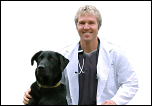
I did all the "right" things – or so I thought. After grieving, I came to realize that I had played a role in his dying at too young of an age.

I came to question exactly what I did to my own pet – and what was I doing to other people's pets.

Through my questioning, I came to realize that most Veterinarians (including me as well, at the time) are not "getting it" – that in the process of trying to heal pets through technological advances, we are actually making them sicker!

There are 3 mistakes that I made that contributed to Hoochie's early death...

...are you making these same mistakes with your own dog?

Click here to continue for more information!

Digg Delicious StumbleUpon Reddit BlinkList Furl Tumblr Facebook Google Bookmark Google+
Read more...

Pet Care Sitters and Dog Walkers  

Posted by — Kim in , , , , , , , ,

Valuable Resource...

Find Pet Care Sitters and Walkers Near You


Care is a global need without geographic or demographic boundaries.
At some point, every person and every family will have care needs, be it for children, seniors, pets or even homes. Our mission is to improve the lives of families and caregivers by helping them connect in a reliable and easy way. Our solutions help families make informed decisions in one of the most important and highly considered aspects of their family life: finding and managing quality care for their loved ones. In providing families a comprehensive marketplace for care, we are also building the largest global destination for quality caregivers to find fulfilling employment and career opportunities. We strive to help our members – families and caregivers – pursue their passions and fulfill the basic human need of caring for each other.
Care's premise is simple: Our consumer matching solutions allow families to search for, qualify, vet, connect with, and ultimately select caregivers in a low-cost, reliable and easy way. Our platform also provides caregivers with solutions to create personal profiles, describe their unique skills and experience, and otherwise differentiate themselves in a highly fragmented marketplace.
Visit us for more information...

Digg Delicious StumbleUpon Reddit BlinkList Furl Tumblr Facebook Google Bookmark Google+
Read more...

Natural Flea Control and Multi-Tick Remedy  

Posted by — Kim in , , , , , , , , , , , , ,

Valuable Resource...

Natural Flea Control and Multi-Tick Remedy Out-Kills Toxic Chemicals –
AND 100% Safe With Kids & Pets!

19 Scientific Studies ask: "Why choose toxic chemicals
when this 100% Natural flea killer works just as well?"

TripleSure Natural Flea and Tick Spray

"This remarkable natural flea control & tick remedy is a scientific blend of natural plant extracts. Made in the USA with local ingredients, our TripleSure® is manufactured to human grade standards. Now you can eliminate harmful fleas & ticks without endangering your loved ones."

TripleSure Trigger


Click here for Frequently Asked Questions (FAQs)...

Order Now

Digg Delicious StumbleUpon Reddit BlinkList Furl Tumblr Facebook Google Bookmark Google+
Read more...

Veterinary Secrets Revealed  

Posted by — Kim in , , , , , , , , , , , , , , , , , ,

Valuable Resource...


You CAN Heal Your Sick Pet at Home,
Without Going to the Vet...

In Less than 24 Hours, I Can Show You How to Examine, Diagnose and Treat Your Pet at Home.
Dr. Andrew Jones, DVM

Dear fellow pet lover,

If you're not ready to make some simple changes to the way you provide veterinary care to your pet, beginning today....

...your dog or cat could be seriously ill and live a "shortened" life!

Here is How I know:

My dog died young, only 8 years old. He was a mixed breed dog, a specimen of health. He was given a ton of attention, exercised three times a day, fed only Veterinary Approved food, and given all his vaccines. He had the "ideal" life. Hoochie passed away in my arms from a massive tumor bleed at 12:02pm on April 12, 2003 – the saddest day of my life.

I asked myself... why?

I thought that he was incredibly healthy. I was sure I was doing all of the right things for him.

But I later discovered I may have contributed to his death, because I believed ONLY in conventional veterinary medicine. You see, I am a Veterinarian.

I'm Dr. Andrew Jones, and I have practiced Veterinary Medicine for over a decade. Over the past 17 years I have treated literally thousands of pets for a whole variety of problems, and I currently own the Nelson Animal Hospital in Nelson BC, Canada. But, my beloved dog Hoochie is gone.

You are fortunate... it's not too late for you and your pet. Just read on and find out exactly what you must do now.

Pay Close Attention

Conventional veterinary medicine may be harming your pet – and I can show you step-by-step what you must do to prevent it. "Regular" veterinary care has lost its effectiveness over the years, and in some cases is actually causing illness in our pets.

Alternative pet health care has grown over the past few years, but the truth is that Veterinarians have STRONGLY discouraged pet owners from treating their pets outside of the Vet Clinic.

The entire Pet Health Industry has a vested interest in discrediting alternative medicines which can safely, naturally and effectively allow pet owners to care for their pets at home.
STOP AND READ THIS

Lock the door, Unplug the phone, and do whatever you can to have 10 undivided minutes... Get ready to read about how you could be saving the life of your pet starting now!

"I began to notice something unusual..."

Slowly, I began to notice something unusual about Hoochie. He really just wasn't the same. He was reluctant to go for his morning dog walk, which was always the highlight of his day.
I dismissed it as him feeling a bit off, some mild stomach issue or maybe a touch of arthritis... but it didn't pass. In fact, it got worse.

I eventually did a blood test on Hoochie, thinking at that point that he had a tooth infection. However, much to my horror, I quickly found out that he had a spleen tumor.

Immediately, I performed surgery on Hoochie and removed the spleen tumor. But I was too late - the cancer had already spread to his liver, and I knew that very soon, he would die.

How did an apparently healthy mixed breed dog die so young?

I did all the "right" things – or so I thought. After grieving, I came to realize that I had played a role in his dying at too young of an age.

I came to question exactly what I did to my own pet – and what was I doing to other people's pets.

Through my questioning, I came to realize that most Veterinarians (including me as well, at the time) are not "getting it" – that in the process of trying to heal pets through technological advances, we are actually making them sicker!

There are 3 mistakes that I made that contributed to Hoochie's early death...

...are you making these same mistakes with your own dog?

Click here to continue for more information!

Digg Delicious StumbleUpon Reddit BlinkList Furl Tumblr Facebook Google Bookmark Google+
Read more...

Is Your Dog Potty Trained Enough?  

Posted by — Kim in , , , , , , , , , , , , , , ,

Here are some good housetraining tips that I thought I would pass on. –Kim

House Training Your Puppy or Adult Dog

House training a puppy or adult dog is such an essential issue for his owner that even a single exclusive tip turns out to be extremely helpful.

The first step in making your dog fit for polite company would be to potty train him. Some see this training as a hassle and some as a challenge.

For me, it is part of bringing up a pet.
 
There are a few things you need to know before you actually start potty training a puppy or adult dog. I enumerate these below:
  • You need to understand your dog's body language. Watch for signs that will indicate to you when your pet wants to eliminate.
  • If you own puppies, remember that they need to go potty at fairly frequent intervals – as soon as they wake up, after short naps, after play-time, after meals, before and after being crated and finally, before retiring for the night.
  • Take your dog for walks at the time that he usually does his potty. Take him out to the yard, and then, to the same place there every time he needs to answer nature's call.
  • Praise your dog after he eliminates at the right place. Some dog owners even give treats to their dogs. But remember to do this every time he does it right. He will relate the rewards to his having "done it right" and zero in on the spot where you want him to defecate regularly.
  • With time, you can try signal training. This is so that you know when your doggie wants to go. You can hang a bell at his level near the door and teach him to push it with his nose or pat it with his paw on his way out.
  • Until your dog has been fully potty trained, keep him under strict vigilance. Do not let him roam around the house freely.
  • Use a crate. A crate-trained dog is usually very happy to get his own den. The advantage of crating is that dogs do not soil the place where they sleep. So, he will naturally not eliminate inside the crate.
  • If you have a small dog and if you live in a high-rise building or in a place that does not have a proper backyard, you can try litter pan training. This means to create a space for your pet to eliminate in your house itself.
  • Use positive reinforcements while housebreaking puppies or adult dogs. Do not scold or hit him, as you will gain nothing by doing that. He will only associate punishment with your return from outside. If you catch him in the act, a stern 'NO' or 'FREEZE' will do (but be consistent). It will startle the dog enough for him to stop pooping.
  • Be prepared to return to a soiled home if you are keeping your dog home alone for more than 4 hours, as separation anxiety is quite common among home-alone dogs.
  • Accidents will happen. It is unusual for a trained adult dog to work against his house training. But medical problems or health disorders may lead to sudden accidents.
  • Many dogs mark their territory. These can be a leg of a table or a particular wall. Intact male and female dogs mark their territories by urinating. Use deodorizers to spray on the places where your dog has marked.
  • If you are patient and are ready to accept that house training a dog takes time, even months sometimes, you will end up having a good house-trained dog.

Now we will move on to how to potty train puppies and adult dogs.
 
Potty Training a Puppy
 
Irrespective of breeds, house training a puppy is considered to be one of the biggest challenges by dog owners. If you think house training your puppy simply involves a steady supply of old newspapers or puppy pads, then think again.
 
A puppy does not develop full control over his bladder until he is over 4 or 5 months old. Since they are growing and developing rapidly at this time, puppies eat more, burn more calories and need to eliminate more frequently than an adult dog.
 
After each nap, meal, drink or playtime, take your puppy to his designated area (indoors or outdoors, wherever you have decided) and stay there until he eliminates. Then bring him to his crate.
 
Repeat this situation everyday until he has developed a habit out of it.
 
Potty Training an Adult Dog

The best way to house train an adult dog is to begin all over again.
 
Observe him very closely. Maybe even maintain a diary of where he goes and when. Whether he is pooping when you are home or only when you are outside; whether you can, time yourself to be home when he feels the need to go outside.
 
You can try dog crates, but be careful to introduce him gradually to them.
 
Remember: Commitment, consistency and intelligent use of positive reinforcement will make you the owner of a perfectly house-trained dog. Don't expect miracles. You will only be disappointed.
 

Get this unique house training guide and start house-breaking your dog today.
 
Copyright © 2009 TrainPetDog.com
 

Digg Delicious StumbleUpon Reddit BlinkList Furl Tumblr Facebook Google Bookmark Google+
Read more...

How Well is Your Dog Groomed?  

Posted by — Kim in , , , , ,

Here's a great article that I thought I would pass on...hope you find it interesting! –Kim

How to Groom Your Dog at Home

The reason one should groom his/her dog is simple – your dog's physical state influences the way he feels and the way you look at your dog. Extreme cases, where lack of proper care, cleaning and grooming can directly affect the behavior of your dog, are not rare.

Proper grooming not only infuses a healthy glow to your dog's appearance, but also helps develop his self-esteem; while it makes you a very proud parent, when you show off your dog to others.

The first step involved in dog grooming is: Brushing!
 
Brushing has been universally acknowledged by expert dog groomers as the single most important step in grooming.
 
The benefits of brushing are many. To name a few:
  • Better blood circulation
  • Shinier and healthier coat
  • Better bonding

Even if you know how crucial brushing is for your dog's health and well-being, we all know that there is a right way and a wrong way of doing anything. And without doubt, you would like to do everything the RIGHT way when it comes to your dog.

Yes, there's a method to follow while brushing your dog.

Here are FIVE steps to successfully brushing your dog that will prove to be extremely useful:
  • Brush against the growth of the hair first with a slicker brush and then with a medium or wide-toothed comb.
  • The slicker brush removes all the loose hair and the comb takes care of the tangles.
  • Brush your dog along the hair growth and make sure you reach the skin as you brush his way.
  • Then use a flea comb over the coat to get the fleas and remove any remaining tangles. Part the coat and start from the root and then comb through.
  • If your dog's paw pads are hairy, then clip them using electric clippers. Do not clip the hair in between the pads. Clip only the excess hair.
Brush your dog's hairs to prevent it from matting. Matting can be a very painful experience.

Regular brushing untangles the matted hairs on your dog's coat. Since this is a risky job to do, the best way out is to prevent them from forming in the first place. And doing this is simple: just brush and comb your dog regularly. If and when you see any mats or tangles, use a detangle solution and a medium-toothed comb.

Don't wait until your dog is dirty or matted to introduce him to grooming. That would make him associate the experience with unpleasantness. Moreover, many dogs learn to see their routine brushing as an alternate form of petting, i.e. another source of affection and attention.

Subscribe to this FREE dog grooming mini course and start grooming your dog all by yourself right from the comfort of your home, today.

Copyright © 2009 TrainPetDog.com
  

Digg Delicious StumbleUpon Reddit BlinkList Furl Tumblr Facebook Google Bookmark Google+
Read more...

Veterinary Secrets Revealed  

Posted by — Kim in , , , , , , , , , , , , ,

Valuable Resource...


You CAN Heal Your Sick Pet at Home,
Without Going to the Vet...

In Less than 24 Hours, I Can Show You How to Examine, Diagnose and Treat Your Pet at Home.
Dr. Andrew Jones, DVM

Dear fellow pet lover,

If you're not ready to make some simple changes to the way you provide veterinary care to your pet, beginning today....

...your dog or cat could be seriously ill and live a "shortened" life!

Here is How I know:

My dog died young, only 8 years old. He was a mixed breed dog, a specimen of health. He was given a ton of attention, exercised three times a day, fed only Veterinary Approved food, and given all his vaccines. He had the "ideal" life. Hoochie passed away in my arms from a massive tumor bleed at 12:02pm on April 12, 2003 – the saddest day of my life.

I asked myself... why?

I thought that he was incredibly healthy. I was sure I was doing all of the right things for him.

But I later discovered I may have contributed to his death, because I believed ONLY in conventional veterinary medicine. You see, I am a Veterinarian.

I'm Dr. Andrew Jones, and I have practiced Veterinary Medicine for over a decade. Over the past 17 years I have treated literally thousands of pets for a whole variety of problems, and I currently own the Nelson Animal Hospital in Nelson BC, Canada (http://www.nelsonvet.com). But, my beloved dog Hoochie is gone.

You are fortunate... it's not too late for you and your pet. Just read on and find out exactly what you must do now.

Pay Close Attention

Conventional veterinary medicine may be harming your pet – and I can show you step-by-step what you must do to prevent it. "Regular" veterinary care has lost its effectiveness over the years, and in some cases is actually causing illness in our pets.

Alternative pet health care has grown over the past few years, but the truth is that Veterinarians have STRONGLY discouraged pet owners from treating their pets outside of the Vet Clinic.

The entire Pet Health Industry has a vested interest in discrediting alternative medicines which can safely, naturally and effectively allow pet owners to care for their pets at home.
STOP AND READ THIS

Lock the door, Unplug the phone, and do whatever you can to have 10 undivided minutes... Get ready to read about how you could be saving the life of your pet starting now!

"I began to notice something unusual..."

Slowly, I began to notice something unusual about Hoochie. He really just wasn't the same. He was reluctant to go for his morning dog walk, which was always the highlight of his day.
I dismissed it as him feeling a bit off, some mild stomach issue or maybe a touch of arthritis... but it didn't pass. In fact, it got worse.

I eventually did a blood test on Hoochie, thinking at that point that he had a tooth infection. However, much to my horror, I quickly found out that he had a spleen tumor.

Immediately, I performed surgery on Hoochie and removed the spleen tumor. But I was too late - the cancer had already spread to his liver, and I knew that very soon, he would die.

How did an apparently healthy mixed breed dog die so young?

I did all the "right" things – or so I thought. After grieving, I came to realize that I had played a role in his dying at too young of an age.

I came to question exactly what I did to my own pet – and what was I doing to other people's pets.

Through my questioning, I came to realize that most Veterinarians (including me as well, at the time) are not "getting it" – that in the process of trying to heal pets through technological advances, we are actually making them sicker!

There are 3 mistakes that I made that contributed to Hoochie's early death...

...are you making these same mistakes with your own dog?

Click here to continue for more information!

Digg Delicious StumbleUpon Reddit BlinkList Furl Tumblr Facebook Google Bookmark Google+
Read more...

Is Your Dog Potty Trained Enough?  

Posted by — Kim in , , , , , , , , , , , , , , ,

Here are some good housetraining tips that I thought I would pass on. –Kim

House Training Your Puppy or Adult Dog

House training a puppy or adult dog is such an essential issue for his owner that even a single exclusive tip turns out to be extremely helpful.

The first step in making your dog fit for polite company would be to potty train him. Some see this training as a hassle and some as a challenge.

For me, it is part of bringing up a pet.
 
There are a few things you need to know before you actually start potty training a puppy or adult dog. I enumerate these below:
  • You need to understand your dog's body language. Watch for signs that will indicate to you when your pet wants to eliminate.
  • If you own puppies, remember that they need to go potty at fairly frequent intervals – as soon as they wake up, after short naps, after play-time, after meals, before and after being crated and finally, before retiring for the night.
  • Take your dog for walks at the time that he usually does his potty. Take him out to the yard, and then, to the same place there every time he needs to answer nature's call.
  • Praise your dog after he eliminates at the right place. Some dog owners even give treats to their dogs. But remember to do this every time he does it right. He will relate the rewards to his having "done it right" and zero in on the spot where you want him to defecate regularly.
  • With time, you can try signal training. This is so that you know when your doggie wants to go. You can hang a bell at his level near the door and teach him to push it with his nose or pat it with his paw on his way out.
  • Until your dog has been fully potty trained, keep him under strict vigilance. Do not let him roam around the house freely.
  • Use a crate. A crate-trained dog is usually very happy to get his own den. The advantage of crating is that dogs do not soil the place where they sleep. So, he will naturally not eliminate inside the crate.
  • If you have a small dog and if you live in a high-rise building or in a place that does not have a proper backyard, you can try litter pan training. This means to create a space for your pet to eliminate in your house itself.
  • Use positive reinforcements while housebreaking puppies or adult dogs. Do not scold or hit him, as you will gain nothing by doing that. He will only associate punishment with your return from outside. If you catch him in the act, a stern 'NO' or 'FREEZE' will do (but be consistent). It will startle the dog enough for him to stop pooping.
  • Be prepared to return to a soiled home if you are keeping your dog home alone for more than 4 hours, as separation anxiety is quite common among home-alone dogs.
  • Accidents will happen. It is unusual for a trained adult dog to work against his house training. But medical problems or health disorders may lead to sudden accidents.
  • Many dogs mark their territory. These can be a leg of a table or a particular wall. Intact male and female dogs mark their territories by urinating. Use deodorizers to spray on the places where your dog has marked.
  • If you are patient and are ready to accept that house training a dog takes time, even months sometimes, you will end up having a good house-trained dog.

Now we will move on to how to potty train puppies and adult dogs.
 
Potty Training a Puppy
 
Irrespective of breeds, house training a puppy is considered to be one of the biggest challenges by dog owners. If you think house training your puppy simply involves a steady supply of old newspapers or puppy pads, then think again.
 
A puppy does not develop full control over his bladder until he is over 4 or 5 months old. Since they are growing and developing rapidly at this time, puppies eat more, burn more calories and need to eliminate more frequently than an adult dog.
 
After each nap, meal, drink or playtime, take your puppy to his designated area (indoors or outdoors, wherever you have decided) and stay there until he eliminates. Then bring him to his crate.
 
Repeat this situation everyday until he has developed a habit out of it.
 
Potty Training an Adult Dog

The best way to house train an adult dog is to begin all over again.
 
Observe him very closely. Maybe even maintain a diary of where he goes and when. Whether he is pooping when you are home or only when you are outside; whether you can, time yourself to be home when he feels the need to go outside.
 
You can try dog crates, but be careful to introduce him gradually to them.
 
Remember: Commitment, consistency and intelligent use of positive reinforcement will make you the owner of a perfectly house-trained dog. Don't expect miracles. You will only be disappointed.
 

Get this unique house training guide and start house-breaking your dog today.
 
Copyright © 2009 TrainPetDog.com
 

Digg Delicious StumbleUpon Reddit BlinkList Furl Tumblr Facebook Google Bookmark Google+
Read more...

How to Train Your Dog at Home  

Posted by — Kim in , , , , , , , ,

Valuable Resource...

How to Easily Train Your Dog...
Like a Pro

It's essential for dog parents like you to know certain basic factors that determine your relationship with your dog and can go a long way in training him effectively.

Before you begin training your dog, it is absolutely essential that you build a loving bond with him. This is important as it helps you to understand his needs and instincts and also allows your dog to have complete trust in you.

Let's see how.......

How To Bond With Your Dog
Building a bond with your dog is the first and the most crucial step involved in training him successfully. As soon as you bring your dog home, you must first try to develop a caring and loving relationship with him in order to win his trust and confidence.


When dogs are secure in the knowledge that they belong to the family, they are more likely to respond better to their owners' training commands. Just like with any relationship, there must be mutual trust and respect between you and your dog.

Trust takes time to develop and respect comes from defining boundaries and treating any breach of those boundaries with firmness and fairness.

Without enforceable limitations, respect can’t be developed. And when there is no respect, building a bond with your dog is almost impossible.

Four Golden Rules to Building a Relationship with Your Dog:
  • Spend quality time together;
  • Take him out in the world and experience life together;
  • Establish and promote a level of mutual respect; and
  • Develop a way of communicating to understand each other's needs.
Building a bond with your dog will not only help you manage him better but will also make your dog calm, quiet and an extremely well-adjusted pet.

Love your dog and he will love you back!

When you're successful in building a bond with your dog, you can rest assured that training him and teaching him new and clever tricks will be a cakewalk.

Learn how to bond with your dog with this free mini course.

How Your Dog Learns...
Your dog's learning period can be divided into five phases:


The Teaching Phase – This is the phase where you must physically demonstrate to your Dog exactly what you want him to do.

The Practicing Phase – Practice makes Perfect. When a lesson is learned, practice with your dog what you have just taught him.

The Generalizing Phase – Here you must continue practicing with your dog in different locations and in an environment with a few distractions. You can take your dog out for a walk, or to a nearby park and command him to practice whatever you've taught him.

Practicing the learned lessons in multiple locations and in the presence of small distractions will help him learn and retain lessons better.

The Testing Phase – As soon as you're sure that your dog has achieved almost 90% success – he responds correctly almost every time you give a command – you must start testing his accuracy in newer locations with a lot of distractions.

Example: Take him to the local shopping mall and ask him to obey your command. He may not come up with the correct response the very first time you do this, but you must not lose hope.

The idea is to test your dog to see how he responds in an environment that is new to him. Set-up a situation where you are in control of the environment and your dog.

There are only 2 possibilities:
  • Your dog succeeds!!! (Trumpets please!)
  • In case your dog fails, re-examine the situation. Review and/or change your training. Then, try testing again.
Keep on testing until he succeeds. Follow the rule of the three Ps: patience, persistence, praise.

Internalizing Phase – Finally, comes the extremely rewarding phase where your dog does everything he is taught to do even without your commands.

Remember:
  • Never scold your dog if he fails. It's not his fault. You have failed as a trainer!
  • You must be patient and persistent for your efforts to show rewards.
  • Appreciate and praise your dog when he does it right! A little encouragement will work wonders for your dog.
  • Dog Training is easy when you do it right.
Continued - Learn how to train your dog better with this free mini course.
Copyright © 2009 TrainPetDog.com

Digg Delicious StumbleUpon Reddit BlinkList Furl Tumblr Facebook Google Bookmark Google+
Read more...

Pets in Costume  

Posted by — Kim in , , , , , , , , , , , , , ,

Here are some great pics that I thought I would pass on and a FREE petcare DVD! –Kim

Some Cute Dog Costume Pics

Here are some really cute pics of pets in costume from Dr. Andrew Jones:


Free Petcare DVD from Dr. Jones

Learn the fundamentals of holistic dog and cat home health care. In the video, I demonstrate and discuss the most important aspects of at-home pet healing.

The Video is a great way to learn how to start treating your pets at home with alternative healing modalities and methods.

Basics of how to Care for your Sick Pet at Home

How and where to start at-home Healing, first steps you need to take

The At-Home Pet Health Exam – full how-to demonstration:
  • Where to perform
  • How to start
  • What areas you should focus on, and what to look for

Extensive discussion and demonstration of the most important at-home healing Modalities, including:

Neutraceuticals
  • Scientific Studies backing effectiveness
  • MOST IMPORTANT Nutraceuticals to give
  • How and when to use

Herbal Healing
  • Background and scientific studies
  • Safety precautions – Important points to keep in mind
  • Best forms of Herbs to use
  • How to use and apply herbal remedies
  • Using Herbs for allergies and other diseases

Homeopathy
  • Theory and background
  • How to properly handle and give homeopathic remedies
  • Homeopathic remedies for injuries/shock, digestive issues and more

Acupressure
  • Background and explanation
  • Scientific studies proving effectiveness
  • Basic application, proper technique
  • Charts of main Acupressure points for dogs and cats
  • Demonstration of 5 specific Acupressure points for seizures, joint pain and arthritis, general health and wellness, and hip dysplasia

Pet Massage
  • Benefits of Massage, with scientific studies
  • Specific Pet Massage techniques – how to apply them and what health issues to use them for
  • Demonstration of therapeutic pet massage for back arthritis

Order it FREE online; all you need to pay for is shipping.

Get your copy here:
http://www.theonlinevet.com


Dr. Andrew Jones, DVM has been a practicing Veterinarian for over 20 years. He is a strong advocate of Natural Pet Health Care, and knows that the most important way to heal our pets and prevent disease is through proper nutrition. He developed Ultimate Canine to give our dogs that extra advantage – something that will provide them with everything they need to develop stronger immune systems to fight disease, heal sore or stiff joints, and help them live longer, happier lives. Dr. Andrew Jones' main focus is on alternative, non-traditional remedies for pets. His interest in alternative pet medicine culminated in the writing of his book, Veterinary Secrets Revealed.


Digg Delicious StumbleUpon Reddit BlinkList Furl Tumblr Facebook Google Bookmark Google+
Read more...

How Well is Your Dog Groomed?  

Posted by — Kim in , , , , ,

Here's a great article that I thought I would pass on...hope you find it interesting! –Kim

How to Groom Your Dog at Home

The reason one should groom his/her dog is simple – your dog's physical state influences the way he feels and the way you look at your dog. Extreme cases, where lack of proper care, cleaning and grooming can directly affect the behavior of your dog, are not rare.

Proper grooming not only infuses a healthy glow to your dog's appearance, but also helps develop his self-esteem; while it makes you a very proud parent, when you show off your dog to others.

The first step involved in dog grooming is: Brushing!
 
Brushing has been universally acknowledged by expert dog groomers as the single most important step in grooming.
 
The benefits of brushing are many. To name a few:
  • Better blood circulation
  • Shinier and healthier coat
  • Better bonding

Even if you know how crucial brushing is for your dog's health and well-being, we all know that there is a right way and a wrong way of doing anything. And without doubt, you would like to do everything the RIGHT way when it comes to your dog.

Yes, there's a method to follow while brushing your dog.

Here are FIVE steps to successfully brushing your dog that will prove to be extremely useful:
  • Brush against the growth of the hair first with a slicker brush and then with a medium or wide-toothed comb.
  • The slicker brush removes all the loose hair and the comb takes care of the tangles.
  • Brush your dog along the hair growth and make sure you reach the skin as you brush his way.
  • Then use a flea comb over the coat to get the fleas and remove any remaining tangles. Part the coat and start from the root and then comb through.
  • If your dog's paw pads are hairy, then clip them using electric clippers. Do not clip the hair in between the pads. Clip only the excess hair.
Brush your dog's hairs to prevent it from matting. Matting can be a very painful experience.

Regular brushing untangles the matted hairs on your dog's coat. Since this is a risky job to do, the best way out is to prevent them from forming in the first place. And doing this is simple: just brush and comb your dog regularly. If and when you see any mats or tangles, use a detangle solution and a medium-toothed comb.

Don't wait until your dog is dirty or matted to introduce him to grooming. That would make him associate the experience with unpleasantness. Moreover, many dogs learn to see their routine brushing as an alternate form of petting, i.e. another source of affection and attention.

Subscribe to this FREE dog grooming mini course and start grooming your dog all by yourself right from the comfort of your home, today.

Copyright © 2009 TrainPetDog.com
  

Digg Delicious StumbleUpon Reddit BlinkList Furl Tumblr Facebook Google Bookmark Google+
Read more...

Veterinary Secrets Revealed  

Posted by — Kim in , , , , , , , , , , , , ,

Valuable Resource...


You CAN Heal Your Sick Pet at Home,
Without Going to the Vet...

In Less than 24 Hours, I Can Show You How to Examine, Diagnose and Treat Your Pet at Home.
Dr. Andrew Jones, DVM

Dear fellow pet lover,

If you're not ready to make some simple changes to the way you provide veterinary care to your pet, beginning today....

...your dog or cat could be seriously ill and live a "shortened" life!

Here is How I know:

My dog died young, only 8 years old. He was a mixed breed dog, a specimen of health. He was given a ton of attention, exercised three times a day, fed only Veterinary Approved food, and given all his vaccines. He had the "ideal" life. Hoochie passed away in my arms from a massive tumor bleed at 12:02pm on April 12, 2003 – the saddest day of my life.

I asked myself... why?

I thought that he was incredibly healthy. I was sure I was doing all of the right things for him.

But I later discovered I may have contributed to his death, because I believed ONLY in conventional veterinary medicine. You see, I am a Veterinarian.

I'm Dr. Andrew Jones, and I have practiced Veterinary Medicine for over a decade. Over the past 17 years I have treated literally thousands of pets for a whole variety of problems, and I currently own the Nelson Animal Hospital in Nelson BC, Canada (http://www.nelsonvet.com). But, my beloved dog Hoochie is gone.

You are fortunate... it's not too late for you and your pet. Just read on and find out exactly what you must do now.

Pay Close Attention

Conventional veterinary medicine may be harming your pet – and I can show you step-by-step what you must do to prevent it. "Regular" veterinary care has lost its effectiveness over the years, and in some cases is actually causing illness in our pets.

Alternative pet health care has grown over the past few years, but the truth is that Veterinarians have STRONGLY discouraged pet owners from treating their pets outside of the Vet Clinic.

The entire Pet Health Industry has a vested interest in discrediting alternative medicines which can safely, naturally and effectively allow pet owners to care for their pets at home.
STOP AND READ THIS

Lock the door, Unplug the phone, and do whatever you can to have 10 undivided minutes... Get ready to read about how you could be saving the life of your pet starting now!

"I began to notice something unusual..."

Slowly, I began to notice something unusual about Hoochie. He really just wasn't the same. He was reluctant to go for his morning dog walk, which was always the highlight of his day.
I dismissed it as him feeling a bit off, some mild stomach issue or maybe a touch of arthritis... but it didn't pass. In fact, it got worse.

I eventually did a blood test on Hoochie, thinking at that point that he had a tooth infection. However, much to my horror, I quickly found out that he had a spleen tumor.

Immediately, I performed surgery on Hoochie and removed the spleen tumor. But I was too late - the cancer had already spread to his liver, and I knew that very soon, he would die.

How did an apparently healthy mixed breed dog die so young?

I did all the "right" things – or so I thought. After grieving, I came to realize that I had played a role in his dying at too young of an age.

I came to question exactly what I did to my own pet – and what was I doing to other people's pets.

Through my questioning, I came to realize that most Veterinarians (including me as well, at the time) are not "getting it" – that in the process of trying to heal pets through technological advances, we are actually making them sicker!

There are 3 mistakes that I made that contributed to Hoochie's early death...

...are you making these same mistakes with your own dog?

Click here to continue for more information!

Digg Delicious StumbleUpon Reddit BlinkList Furl Tumblr Facebook Google Bookmark Google+
Read more...

Is Your Dog Potty Trained Enough?  

Posted by — Kim in , , , , , , , , , , , , , , ,

Here are some good housetraining tips that I thought I would pass on. –Kim

House Training Your Puppy or Adult Dog

House training a puppy or adult dog is such an essential issue for his owner that even a single exclusive tip turns out to be extremely helpful.

The first step in making your dog fit for polite company would be to potty train him. Some see this training as a hassle and some as a challenge.

For me, it is part of bringing up a pet.
 
There are a few things you need to know before you actually start potty training a puppy or adult dog. I enumerate these below:
  • You need to understand your dog's body language. Watch for signs that will indicate to you when your pet wants to eliminate.
  • If you own puppies, remember that they need to go potty at fairly frequent intervals – as soon as they wake up, after short naps, after play-time, after meals, before and after being crated and finally, before retiring for the night.
  • Take your dog for walks at the time that he usually does his potty. Take him out to the yard, and then, to the same place there every time he needs to answer nature's call.
  • Praise your dog after he eliminates at the right place. Some dog owners even give treats to their dogs. But remember to do this every time he does it right. He will relate the rewards to his having "done it right" and zero in on the spot where you want him to defecate regularly.
  • With time, you can try signal training. This is so that you know when your doggie wants to go. You can hang a bell at his level near the door and teach him to push it with his nose or pat it with his paw on his way out.
  • Until your dog has been fully potty trained, keep him under strict vigilance. Do not let him roam around the house freely.
  • Use a crate. A crate-trained dog is usually very happy to get his own den. The advantage of crating is that dogs do not soil the place where they sleep. So, he will naturally not eliminate inside the crate.
  • If you have a small dog and if you live in a high-rise building or in a place that does not have a proper backyard, you can try litter pan training. This means to create a space for your pet to eliminate in your house itself.
  • Use positive reinforcements while housebreaking puppies or adult dogs. Do not scold or hit him, as you will gain nothing by doing that. He will only associate punishment with your return from outside. If you catch him in the act, a stern 'NO' or 'FREEZE' will do (but be consistent). It will startle the dog enough for him to stop pooping.
  • Be prepared to return to a soiled home if you are keeping your dog home alone for more than 4 hours, as separation anxiety is quite common among home-alone dogs.
  • Accidents will happen. It is unusual for a trained adult dog to work against his house training. But medical problems or health disorders may lead to sudden accidents.
  • Many dogs mark their territory. These can be a leg of a table or a particular wall. Intact male and female dogs mark their territories by urinating. Use deodorizers to spray on the places where your dog has marked.
  • If you are patient and are ready to accept that house training a dog takes time, even months sometimes, you will end up having a good house-trained dog.

Now we will move on to how to potty train puppies and adult dogs.
 
Potty Training a Puppy
 
Irrespective of breeds, house training a puppy is considered to be one of the biggest challenges by dog owners. If you think house training your puppy simply involves a steady supply of old newspapers or puppy pads, then think again.
 
A puppy does not develop full control over his bladder until he is over 4 or 5 months old. Since they are growing and developing rapidly at this time, puppies eat more, burn more calories and need to eliminate more frequently than an adult dog.
 
After each nap, meal, drink or playtime, take your puppy to his designated area (indoors or outdoors, wherever you have decided) and stay there until he eliminates. Then bring him to his crate.
 
Repeat this situation everyday until he has developed a habit out of it.
 
Potty Training an Adult Dog

The best way to house train an adult dog is to begin all over again.
 
Observe him very closely. Maybe even maintain a diary of where he goes and when. Whether he is pooping when you are home or only when you are outside; whether you can, time yourself to be home when he feels the need to go outside.
 
You can try dog crates, but be careful to introduce him gradually to them.
 
Remember: Commitment, consistency and intelligent use of positive reinforcement will make you the owner of a perfectly house-trained dog. Don't expect miracles. You will only be disappointed.
 

Get this unique house training guide and start house-breaking your dog today.
 
Copyright © 2009 TrainPetDog.com
 

Digg Delicious StumbleUpon Reddit BlinkList Furl Tumblr Facebook Google Bookmark Google+
Read more...

How to Train Your Dog at Home  

Posted by — Kim in , , , , , , , ,

Valuable Resource...

How to Easily Train Your Dog...
Like a Pro

It's essential for dog parents like you to know certain basic factors that determine your relationship with your dog and can go a long way in training him effectively.

Before you begin training your dog, it is absolutely essential that you build a loving bond with him. This is important as it helps you to understand his needs and instincts and also allows your dog to have complete trust in you.

Let's see how.......

How To Bond With Your Dog
Building a bond with your dog is the first and the most crucial step involved in training him successfully. As soon as you bring your dog home, you must first try to develop a caring and loving relationship with him in order to win his trust and confidence.


When dogs are secure in the knowledge that they belong to the family, they are more likely to respond better to their owners' training commands. Just like with any relationship, there must be mutual trust and respect between you and your dog.

Trust takes time to develop and respect comes from defining boundaries and treating any breach of those boundaries with firmness and fairness.

Without enforceable limitations, respect can’t be developed. And when there is no respect, building a bond with your dog is almost impossible.

Four Golden Rules to Building a Relationship with Your Dog:
  • Spend quality time together;
  • Take him out in the world and experience life together;
  • Establish and promote a level of mutual respect; and
  • Develop a way of communicating to understand each other's needs.
Building a bond with your dog will not only help you manage him better but will also make your dog calm, quiet and an extremely well-adjusted pet.

Love your dog and he will love you back!

When you're successful in building a bond with your dog, you can rest assured that training him and teaching him new and clever tricks will be a cakewalk.

Learn how to bond with your dog with this free mini course.

How Your Dog Learns...
Your dog's learning period can be divided into five phases:


The Teaching Phase – This is the phase where you must physically demonstrate to your Dog exactly what you want him to do.

The Practicing Phase – Practice makes Perfect. When a lesson is learned, practice with your dog what you have just taught him.

The Generalizing Phase – Here you must continue practicing with your dog in different locations and in an environment with a few distractions. You can take your dog out for a walk, or to a nearby park and command him to practice whatever you've taught him.

Practicing the learned lessons in multiple locations and in the presence of small distractions will help him learn and retain lessons better.

The Testing Phase – As soon as you're sure that your dog has achieved almost 90% success – he responds correctly almost every time you give a command – you must start testing his accuracy in newer locations with a lot of distractions.

Example: Take him to the local shopping mall and ask him to obey your command. He may not come up with the correct response the very first time you do this, but you must not lose hope.

The idea is to test your dog to see how he responds in an environment that is new to him. Set-up a situation where you are in control of the environment and your dog.

There are only 2 possibilities:
  • Your dog succeeds!!! (Trumpets please!)
  • In case your dog fails, re-examine the situation. Review and/or change your training. Then, try testing again.
Keep on testing until he succeeds. Follow the rule of the three Ps: patience, persistence, praise.

Internalizing Phase – Finally, comes the extremely rewarding phase where your dog does everything he is taught to do even without your commands.

Remember:
  • Never scold your dog if he fails. It's not his fault. You have failed as a trainer!
  • You must be patient and persistent for your efforts to show rewards.
  • Appreciate and praise your dog when he does it right! A little encouragement will work wonders for your dog.
  • Dog Training is easy when you do it right.
Continued - Learn how to train your dog better with this free mini course.
Copyright © 2009 TrainPetDog.com
 

Digg Delicious StumbleUpon Reddit BlinkList Furl Tumblr Facebook Google Bookmark Google+
Read more...

List of No-kill Shelters and Rescues

List of No-kill Shelters and Rescues: 
NATIONAL SEARCH
Find local shelters near you! LOCAL SEARCH
You can adopt or foster from any of these shelters or donate to support their efforts. Be sure to confirm that they are a "no-kill" shelter. Then, be a part of the solution!

<< – Newer Posts / Older Posts – >>
CLICK HERE FIRST; THEN CLICK THE PAGE LINK BELOW.