Showing posts with label fitness. Show all posts

Banned Vet Reveals Secrets  

Posted by — Kim in , , , , , , , , , , , , , , , , , ,

Valuable Resource...


You CAN Heal Your Sick Pet at Home,
Without Going to the Vet...

In Less than 24 Hours, I Can Show You How to Examine, Diagnose and Treat Your Pet at Home.
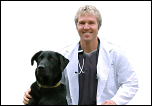
Dr. Andrew Jones, DVM

Dear fellow pet lover,

If you're not ready to make some simple changes to the way you provide veterinary care to your pet, beginning today....

...your dog or cat could be seriously ill and live a "shortened" life!

Here is How I know:

My dog died young, only 8 years old. He was a mixed breed dog, a specimen of health. He was given a ton of attention, exercised three times a day, fed only Veterinary Approved food, and given all his vaccines. He had the "ideal" life. Hoochie passed away in my arms from a massive tumor bleed at 12:02pm on April 12, 2003 – the saddest day of my life.

I asked myself... why?

I thought that he was incredibly healthy. I was sure I was doing all of the right things for him.

But I later discovered I may have contributed to his death, because I believed ONLY in conventional veterinary medicine. You see, I am a Veterinarian.

I'm Dr. Andrew Jones, and I have practiced Veterinary Medicine for over a decade. Over the past 20 years I have treated literally thousands of pets for a whole variety of problems, and I currently own the Nelson Animal Hospital in Nelson BC, Canada. But, my beloved dog Hoochie is gone.

You are fortunate... it's not too late for you and your pet. Just read on and find out exactly what you must do now.

Pay Close Attention

Conventional veterinary medicine may be harming your pet – and I can show you step-by-step what you must do to prevent it. "Regular" veterinary care has lost its effectiveness over the years, and in some cases is actually causing illness in our pets.

Alternative pet health care has grown over the past few years, but the truth is that Veterinarians have STRONGLY discouraged pet owners from treating their pets outside of the Vet Clinic.

The entire Pet Health Industry has a vested interest in discrediting alternative medicines which can safely, naturally and effectively allow pet owners to care for their pets at home.
STOP AND READ THIS

Lock the door, Unplug the phone, and do whatever you can to have 10 undivided minutes... Get ready to read about how you could be saving the life of your pet starting now!

"I began to notice something unusual..."

Slowly, I began to notice something unusual about Hoochie. He really just wasn't the same. He was reluctant to go for his morning dog walk, which was always the highlight of his day.
I dismissed it as him feeling a bit off, some mild stomach issue or maybe a touch of arthritis... but it didn't pass. In fact, it got worse.

I eventually did a blood test on Hoochie, thinking at that point that he had a tooth infection. However, much to my horror, I quickly found out that he had a spleen tumor.

Immediately, I performed surgery on Hoochie and removed the spleen tumor. But I was too late - the cancer had already spread to his liver, and I knew that very soon, he would die.

How did an apparently healthy mixed breed dog die so young?

I did all the "right" things – or so I thought. After grieving, I came to realize that I had played a role in his dying at too young of an age.

I came to question exactly what I did to my own pet – and what was I doing to other people's pets.

Through my questioning, I came to realize that most Veterinarians (including me as well, at the time) are not "getting it" – that in the process of trying to heal pets through technological advances, we are actually making them sicker!

There are 3 mistakes that I made that contributed to Hoochie's early death...

...are you making these same mistakes with your own dog?

Click here to continue for more information!

Digg Delicious StumbleUpon Reddit BlinkList Furl Tumblr Facebook Google Bookmark Google+
Read more...

Veterinary Secrets Revealed  

Posted by — Kim in , , , , , , , , , , , , , , , , , ,

Valuable Resource...


You CAN Heal Your Sick Pet at Home,
Without Going to the Vet...

In Less than 24 Hours, I Can Show You How to Examine, Diagnose and Treat Your Pet at Home.
Dr. Andrew Jones, DVM

Dear fellow pet lover,

If you're not ready to make some simple changes to the way you provide veterinary care to your pet, beginning today....

...your dog or cat could be seriously ill and live a "shortened" life!

Here is How I know:

My dog died young, only 8 years old. He was a mixed breed dog, a specimen of health. He was given a ton of attention, exercised three times a day, fed only Veterinary Approved food, and given all his vaccines. He had the "ideal" life. Hoochie passed away in my arms from a massive tumor bleed at 12:02pm on April 12, 2003 – the saddest day of my life.

I asked myself... why?

I thought that he was incredibly healthy. I was sure I was doing all of the right things for him.

But I later discovered I may have contributed to his death, because I believed ONLY in conventional veterinary medicine. You see, I am a Veterinarian.

I'm Dr. Andrew Jones, and I have practiced Veterinary Medicine for over a decade. Over the past 17 years I have treated literally thousands of pets for a whole variety of problems, and I currently own the Nelson Animal Hospital in Nelson BC, Canada. But, my beloved dog Hoochie is gone.

You are fortunate... it's not too late for you and your pet. Just read on and find out exactly what you must do now.

Pay Close Attention

Conventional veterinary medicine may be harming your pet – and I can show you step-by-step what you must do to prevent it. "Regular" veterinary care has lost its effectiveness over the years, and in some cases is actually causing illness in our pets.

Alternative pet health care has grown over the past few years, but the truth is that Veterinarians have STRONGLY discouraged pet owners from treating their pets outside of the Vet Clinic.

The entire Pet Health Industry has a vested interest in discrediting alternative medicines which can safely, naturally and effectively allow pet owners to care for their pets at home.
STOP AND READ THIS

Lock the door, Unplug the phone, and do whatever you can to have 10 undivided minutes... Get ready to read about how you could be saving the life of your pet starting now!

"I began to notice something unusual..."

Slowly, I began to notice something unusual about Hoochie. He really just wasn't the same. He was reluctant to go for his morning dog walk, which was always the highlight of his day.
I dismissed it as him feeling a bit off, some mild stomach issue or maybe a touch of arthritis... but it didn't pass. In fact, it got worse.

I eventually did a blood test on Hoochie, thinking at that point that he had a tooth infection. However, much to my horror, I quickly found out that he had a spleen tumor.

Immediately, I performed surgery on Hoochie and removed the spleen tumor. But I was too late - the cancer had already spread to his liver, and I knew that very soon, he would die.

How did an apparently healthy mixed breed dog die so young?

I did all the "right" things – or so I thought. After grieving, I came to realize that I had played a role in his dying at too young of an age.

I came to question exactly what I did to my own pet – and what was I doing to other people's pets.

Through my questioning, I came to realize that most Veterinarians (including me as well, at the time) are not "getting it" – that in the process of trying to heal pets through technological advances, we are actually making them sicker!

There are 3 mistakes that I made that contributed to Hoochie's early death...

...are you making these same mistakes with your own dog?

Click here to continue for more information!

Digg Delicious StumbleUpon Reddit BlinkList Furl Tumblr Facebook Google Bookmark Google+
Read more...

Veterinary Secrets Revealed  

Posted by — Kim in , , , , , , , , , , , , ,

Valuable Resource...


You CAN Heal Your Sick Pet at Home,
Without Going to the Vet...

In Less than 24 Hours, I Can Show You How to Examine, Diagnose and Treat Your Pet at Home.
Dr. Andrew Jones, DVM

Dear fellow pet lover,

If you're not ready to make some simple changes to the way you provide veterinary care to your pet, beginning today....

...your dog or cat could be seriously ill and live a "shortened" life!

Here is How I know:

My dog died young, only 8 years old. He was a mixed breed dog, a specimen of health. He was given a ton of attention, exercised three times a day, fed only Veterinary Approved food, and given all his vaccines. He had the "ideal" life. Hoochie passed away in my arms from a massive tumor bleed at 12:02pm on April 12, 2003 – the saddest day of my life.

I asked myself... why?

I thought that he was incredibly healthy. I was sure I was doing all of the right things for him.

But I later discovered I may have contributed to his death, because I believed ONLY in conventional veterinary medicine. You see, I am a Veterinarian.

I'm Dr. Andrew Jones, and I have practiced Veterinary Medicine for over a decade. Over the past 17 years I have treated literally thousands of pets for a whole variety of problems, and I currently own the Nelson Animal Hospital in Nelson BC, Canada (http://www.nelsonvet.com). But, my beloved dog Hoochie is gone.

You are fortunate... it's not too late for you and your pet. Just read on and find out exactly what you must do now.

Pay Close Attention

Conventional veterinary medicine may be harming your pet – and I can show you step-by-step what you must do to prevent it. "Regular" veterinary care has lost its effectiveness over the years, and in some cases is actually causing illness in our pets.

Alternative pet health care has grown over the past few years, but the truth is that Veterinarians have STRONGLY discouraged pet owners from treating their pets outside of the Vet Clinic.

The entire Pet Health Industry has a vested interest in discrediting alternative medicines which can safely, naturally and effectively allow pet owners to care for their pets at home.
STOP AND READ THIS

Lock the door, Unplug the phone, and do whatever you can to have 10 undivided minutes... Get ready to read about how you could be saving the life of your pet starting now!

"I began to notice something unusual..."

Slowly, I began to notice something unusual about Hoochie. He really just wasn't the same. He was reluctant to go for his morning dog walk, which was always the highlight of his day.
I dismissed it as him feeling a bit off, some mild stomach issue or maybe a touch of arthritis... but it didn't pass. In fact, it got worse.

I eventually did a blood test on Hoochie, thinking at that point that he had a tooth infection. However, much to my horror, I quickly found out that he had a spleen tumor.

Immediately, I performed surgery on Hoochie and removed the spleen tumor. But I was too late - the cancer had already spread to his liver, and I knew that very soon, he would die.

How did an apparently healthy mixed breed dog die so young?

I did all the "right" things – or so I thought. After grieving, I came to realize that I had played a role in his dying at too young of an age.

I came to question exactly what I did to my own pet – and what was I doing to other people's pets.

Through my questioning, I came to realize that most Veterinarians (including me as well, at the time) are not "getting it" – that in the process of trying to heal pets through technological advances, we are actually making them sicker!

There are 3 mistakes that I made that contributed to Hoochie's early death...

...are you making these same mistakes with your own dog?

Click here to continue for more information!

Digg Delicious StumbleUpon Reddit BlinkList Furl Tumblr Facebook Google Bookmark Google+
Read more...

How to Take Care of an Old Dog  

Posted by — Kim in , , , , , , , , , , , , , ,

Here's a great video about caring for your older canine... –Kim

How to Take Care of an Old Dog

by Joe the Vet

Source: AOL On Pets
© 2014 AOL Inc.


Also, see:

Digg Delicious StumbleUpon Reddit BlinkList Furl Tumblr Facebook Google Bookmark Google+
Read more...

Vet Clients Don’t Understand the Value of Preventive Healthcare  

Posted by — Kim in , , , , , , , , , , ,

Here's a great article that I thought I would pass on...it pays to be well informed! –Kim

Don't be Duped by the True Intent of this Media Blitz

By Dr. Becker

According to dvm360, "It's no secret that veterinary clients don't understand the value of preventive healthcare."
This may be the case for clients of conventional vet practices, but the majority of pet owners in my proactive, integrative practice certainly understand the importance of regular wellness visits. In fact, my preference is to see younger, healthy animals twice a year, and older pets and those with chronic health conditions even more often.

'Partners for Healthy Pets' Campaigns to Promote More Frequent Vet Visits

To encourage more vet visits, a group called Partners for Healthy Pets (PHP) is waging a $5.5 million campaign to convince pet owners that visiting the vet regularly "is essential to responsible pet ownership" – and is "as important as food and love."
If you're wondering who is behind the campaign, this is from the PHP Web site:
"Partners for Healthy Pets is the face of the Partnership for Preventive Pet Healthcare™, a committee of the non-profit American Veterinary Medical Foundation that was created to ensure that pets receive the preventive healthcare they deserve through regular visits to a veterinarian. This alliance of more than 20 leading veterinary associations and animal health companies is committed to a vision of improved overall health for pets."
The list of members/sponsors reads like a who's who of the veterinary drug industry and assorted pet healthcare companies.
The campaign was rolled out to veterinarians at the AVMA annual meeting in July. According to dvm360, the pet owners being targeted are "urban and suburban women ages 32 to 49 who already have a relationship with a veterinarian but who are not regularly seeking preventive care." This demographic is being solicited for their $75,000+ household income and a willingness to spend 20-25% more than average on their pets.

The campaign kicks off this month and will run through 2014, so I imagine many of you will begin to see PHP advertisements encouraging preventive vet visits. You might also hear directly from your DVM, since veterinary practices can enroll in the program and receive information from PHP on how to promote the campaign at their clinics and on websites.
According to Dr. Ron DeHaven, CEO of the AVMA and chairman of PHP…
"This is an unprecedented opportunity for the veterinary care community. It's a platform for all of us to communicate the importance of preventive care to pet owners, to enhance the relationships we share with them, and ultimately to deliver even higher quality preventive care."
As a proactive, holistically oriented veterinarian, I'm certainly a huge advocate of preventive care for animals. However, preventive care in a holistic context is very different from what the vast majority of traditional vets consider it to be.
It's clear from the Partners for Healthy Pets members/sponsors list where the conventional vet community focuses when it comes to preventive care for pets. It's primarily about vaccines and chemical pest preventives, in a one-size-fits-all approach.

Why Yearly Vaccinations Should Never Be a Reason for Regular Vet Visits

Yearly re-vaccinations are unnecessary and dangerous and should never be used to promote annual veterinary visits. Even the latest canine vaccination guidelines, now two years old, no longer call for annual re-vaccinations. Unfortunately, veterinary compliance with the guidelines is not what it should be. It seems the majority of vets are still promoting annual re-vaccinations.

It saddens me that so many pet owners have been led to believe their dog's or cat's health revolves around yearly re-vaccinations.
In my practice, I tailor vaccine protocols to minimize risk and maximize protection, taking into account the breed, background, nutritional status and overall vitality of the pet. With healthy puppies, for example, I generally follow the protocol set by Dr. Ron Schultz. I give a single parvo and distemper vaccine at 12 weeks of age, and a second set after 14 weeks. I run a titer test two weeks after the last set and if the dog has been successfully immunized, she's protected for life.
If titer tests on any pet no matter the age indicate vaccine levels are low, I recommend a booster for only the specific virus or viruses that titered low, and only for those to which the animal has a real risk of exposure.
I do not use or recommend combination vaccines (six to eight viruses in one shot), which is the traditional yearly booster.

Veterinary Wellness Exams Should Be a Review of the Status of Your Pet's Health

In my opinion, more veterinarians could help pet owners understand the value of regular vet visits by rejecting the traditional notion of preventive healthcare (vaccines and other drugs) in favor of adopting a proactive approach to keeping their pet patients healthy. Being proactive means being focused on initiating change rather than simply reacting to events as they occur.
In my practice I use what I call the Three Pillars of Health as a proactive approach to wellness. These pillars form the foundation for your pet's health, quality of life, and longevity. 
Pillar #1 is species-appropriate nutrition. The diet you feed your cat or dog should be balanced and biologically appropriate for a carnivore.
Pillar #2 is a sound, resilient frame. This aspect of your pet's health involves maintenance of the musculoskeletal system and organs.
Pillar #3 is a balanced, functional immune system. The goal here is to keep your pet's immune system in balance. It should protect against pathogens, but not be over-reactive to the point of creating allergies and other autoimmune conditions.

What Effective Preventive Healthcare Looks Like

One of the primary ways proactive vets like me keep on top of a patient's health is by tracking blood work changes over time. Let's say your cat's kidney enzymes (BUN and creatinine) are climbing, but are still within normal reference ranges. A reactive vet will wait to see those enzyme levels climb above what's considered normal before taking action. My approach is to pay attention to any change in those enzyme levels, and long before your kitty is diagnosed with chronic kidney failure, I will suggest lifestyle changes that can prevent the disease from developing.
Another way proactive vets manage their patients' health is by regularly reviewing diet, supplement protocol, and exercise habits with pet parents. A dog's or cat's wellness and nutritional goals change yearly, and over the age of eight can require fine-tuning every four to six months. Cats, in particular, are very good at hiding illness and pain, so it's not a good idea to wait until there seems to be a problem.
Your vet's preventive healthcare goal should be to help your pet avoid preventable disease. Unnecessary vaccinations and other traditional chemical "preventions" will not ultimately achieve that goal, and can actually help create disease where none existed.
In addition, your vet shouldn't wait around until your pet is sick or debilitated and then attempt to fix the problem. He or she should use your regularly scheduled wellness visits as an opportunity to check the status of your pet's health and take proactive steps to prevent serious disease from taking hold.
This is the true essence of preventive healthcare, and I hope you'll advocate for it with your own veterinarian.
Source: http://healthypets.mercola.com/sites/healthypets/archive/2013/09/13/preventive-healthcare-campaign.aspx
© Copyright 1997-2013 Dr. Joseph Mercola


Also, see:
 

Digg Delicious StumbleUpon Reddit BlinkList Furl Tumblr Facebook Google Bookmark Google+
Read more...

Veterinary Secrets Revealed  

Posted by — Kim in , , , , , , , , , , , , ,

Valuable Resource...


You CAN Heal Your Sick Pet at Home,
Without Going to the Vet...

In Less than 24 Hours, I Can Show You How to Examine, Diagnose and Treat Your Pet at Home.
Dr. Andrew Jones, DVM

Dear fellow pet lover,

If you're not ready to make some simple changes to the way you provide veterinary care to your pet, beginning today....

...your dog or cat could be seriously ill and live a "shortened" life!

Here is How I know:

My dog died young, only 8 years old. He was a mixed breed dog, a specimen of health. He was given a ton of attention, exercised three times a day, fed only Veterinary Approved food, and given all his vaccines. He had the "ideal" life. Hoochie passed away in my arms from a massive tumor bleed at 12:02pm on April 12, 2003 – the saddest day of my life.

I asked myself... why?

I thought that he was incredibly healthy. I was sure I was doing all of the right things for him.

But I later discovered I may have contributed to his death, because I believed ONLY in conventional veterinary medicine. You see, I am a Veterinarian.

I'm Dr. Andrew Jones, and I have practiced Veterinary Medicine for over a decade. Over the past 17 years I have treated literally thousands of pets for a whole variety of problems, and I currently own the Nelson Animal Hospital in Nelson BC, Canada (http://www.nelsonvet.com). But, my beloved dog Hoochie is gone.

You are fortunate... it's not too late for you and your pet. Just read on and find out exactly what you must do now.

Pay Close Attention

Conventional veterinary medicine may be harming your pet – and I can show you step-by-step what you must do to prevent it. "Regular" veterinary care has lost its effectiveness over the years, and in some cases is actually causing illness in our pets.

Alternative pet health care has grown over the past few years, but the truth is that Veterinarians have STRONGLY discouraged pet owners from treating their pets outside of the Vet Clinic.

The entire Pet Health Industry has a vested interest in discrediting alternative medicines which can safely, naturally and effectively allow pet owners to care for their pets at home.
STOP AND READ THIS

Lock the door, Unplug the phone, and do whatever you can to have 10 undivided minutes... Get ready to read about how you could be saving the life of your pet starting now!

"I began to notice something unusual..."

Slowly, I began to notice something unusual about Hoochie. He really just wasn't the same. He was reluctant to go for his morning dog walk, which was always the highlight of his day.
I dismissed it as him feeling a bit off, some mild stomach issue or maybe a touch of arthritis... but it didn't pass. In fact, it got worse.

I eventually did a blood test on Hoochie, thinking at that point that he had a tooth infection. However, much to my horror, I quickly found out that he had a spleen tumor.

Immediately, I performed surgery on Hoochie and removed the spleen tumor. But I was too late - the cancer had already spread to his liver, and I knew that very soon, he would die.

How did an apparently healthy mixed breed dog die so young?

I did all the "right" things – or so I thought. After grieving, I came to realize that I had played a role in his dying at too young of an age.

I came to question exactly what I did to my own pet – and what was I doing to other people's pets.

Through my questioning, I came to realize that most Veterinarians (including me as well, at the time) are not "getting it" – that in the process of trying to heal pets through technological advances, we are actually making them sicker!

There are 3 mistakes that I made that contributed to Hoochie's early death...

...are you making these same mistakes with your own dog?

Click here to continue for more information!

Digg Delicious StumbleUpon Reddit BlinkList Furl Tumblr Facebook Google Bookmark Google+
Read more...

The Quality of Pet Food Ingredients  

Posted by — Kim in , , , , , , ,

Here's a great video series that I thought I would pass on...hope you find it interesting! –Kim

The Best Pet Foods You Can Buy

Proactive veterinarian Dr. Karen Becker visits an upscale pet boutique to evaluate the quality of the different types of pet food.


Dr. Becker's Comments:
Ever since I did 13 Pet Foods – Ranked from Great to Disastrous, many of you have been asking me to compile a detailed list of what I consider to be high quality commercially available pet foods. You've asked, "What’s the best food I can buy for my pet?"
My answer is there’s really not one best food. The more variety you feed your dog or cat, and the more species-appropriate the food is, the better you are nourishing your pet for a lifetime.
To give you an idea of the different types of higher quality pet foods available on the market today, I visited a Madison, Wisconsin upscale pet boutique called Bad Dog Frida. The store owners graciously opened their doors to me and allowed me to take viewers on a tour of the store to learn how to make good choices when buying pet food.
Source:
http://healthypets.mercola.com/sites/healthypets/archive/2011/05/10/my-top-3-pet-food-picks-from-an-upscale-boutique-shop.aspx
http://healthypets.mercola.com/sites/healthypets/archive/2011/05/17/the-quality-of-pet-food-ingredients-part-2.aspx
© Copyright 1997-2013 Dr. Joseph Mercola.


Also, see:
 

Digg Delicious StumbleUpon Reddit BlinkList Furl Tumblr Facebook Google Bookmark Google+
Read more...

8 Reasons to Add Olive Oil to Your Dog's Diet  

Posted by — Kim in , , , , , , , , , , , ,

Here's a great article that I thought I would pass on...hope you find it interesting! –Kim

Add Olive Oil to Your Canine Companion's Food Bowl

by Julia Szabo
March 6, 2013
Olive oil, that staple of every kitchen, happens to make an excellent, healthful addition to every dog's food bowl. I know I'm usually touting the benefits of coconut oil, which is another mainstay in my pantry, but let's not forget the oil that comes from olives, too, which has its own fantastic advantages. In fact, why not mix things up? Rotate the oils with which you sweeten your dog's food bowl! I like to switch among olive, coconut and (for the Omega 3 factor so key to senior dog vitality) fish oil by Nordic Naturals. Here are eight reasons to heart olive oil. Bone appetit!

1. It tastes doggone good

Few things perk up a boring bowl of dry kibble than a loving spoonful of what dog-loving celebrity chef Rachael Ray affectionately calls EVOO (extra-virgin olive oil) – especially if your kibble might be, ahem, the tiniest bit stale. Add a dash of cinnamon and turmeric, and you've spiced your dog's meal in grand style!

2. It helps the eater lose weight

Whether the portly pepperpot is canine or human, if there are some unwanted pounds that need shedding, olive oil will help grease the weight-loss engine. The monounsaturated fats in olive oil actually encourage pound-melting by breaking down the fat inside fat cells, to get rid of belly fat and reduce insulin sensitivity.

3. It promotes optimal health

Rich in monounsaturated fats, olive oil prevents and lessens the effects of cardiovascular disease and diabetes. It contains oleic acid, in addition to some compounds (squalene and terpenoids) that are believed to be effective in preventing cancer, which kills a staggering 50% of dogs over age 10.

4. It defends the immune system

With high levels of antioxidants – including polyphenols, vitamin E, chlorophyll and carotenoids – olive oil is very effective at arming the body's immune system so it can efficiently fight off disease. That's especially important as we (humans, as well as canines) transition from one season to another.

5. It extends canine longevity

Dogs don't live nearly as long as we want them to, but nothing looks sadder than a young dog going gray before his time. Olive oil prevents free radical cell oxidation (see above), which can lead to premature aging, so it works to help keep your dog looking as vibrantly youthful as he did in his salad days.

6. It's a brain food

Olive oil helps prevent the cognitive decline associated with aging in all species, so be sure to serve it to senior dogs at least once daily, to keep their minds beautiful and cloud-free. This is especially important if your dog is a super-smartie, such as a Border Collie, Poodle or Mensa mutt.

7. It provides an energy boost
Circulation improves and breathing comes more easily with a daily dose of olive oil – it helps increase blood flow and, in humans, lessens the effects of asthma. So, by extension, it can be a godsend for brachycephalic breeds such as the Bulldog, who sometimes struggle to breathe.

8. It's also a beauty treatment

There's more to olive oil than mere substance – it's a style statement, too! Long used to beautify human hair and skin, olive oil can do the same for canines. Condition your dog's coat from the inside out with a daily serving, which helps to impart moisture and gleam to even the driest, dullest fur.
 
Source: Dogster


Also, see:
 

Digg Delicious StumbleUpon Reddit BlinkList Furl Tumblr Facebook Google Bookmark Google+
Read more...

Canine Cancer  

Posted by — Kim in , , , , , , , , , , ,

Here's a great article that I thought I would pass on...hope you find it interesting! –Kim

Do You Know the 10 Early Warning Signs?

Love your dog? Learn the 10 L's of canine cancer.

Lumps

Not all lumps and bumps are cancerous in dogs. There are sebaceous cysts, lipomas and warts, all of which are benign. But if you detect a growth on your dog, it's important to have it checked out by a veterinarian and, if warranted, aspirated and biopsied.

Lesions

Scratches and abscesses are not uncommon for the normal, active dog but the sores that don't heal can be of concern.

Lameness

Bone cancer is typically found in larger breed dogs like Great Danes, Bernese Mountain dogs, Rottweilers, Boxers, Newfoundlands, Saint Bernards and Great Pyrenees, and the primary early indication is prolonged limping or favoring a limb or side. Other types of cancers can also cause persistent lameness.

Loss of Appetite

If your dog shows no interest in eating or their daily consumption has declined for several days, take them to a vet.

Lethargy

Tiring out easily, unwillingness to exercise and loss of interest in normal daily activities can be an early sign of cancer.

Loss of Weight

Not to be confused with loss of appetite. Cachexia, or emaciation, is often associated with cancer and can occur even if your dog is still eating normally. So if your dog is inexplicably losing weight, consult a veterinarian.

Loud Odor

A very strong and offensive smell can sometimes be a byproduct of tumors in the mouth and nasal cavity.

Loss of Normal Body Functions

Dogs having difficulty voiding or defecation or unusual urine or feces should be looked at.

Loss of Blood, Bleeding or Bloody Discharge

Blood present in vomit, stool, and nasal discharge are cause for serious concern and although not always telltale signs of cancer, your dog should be examined as soon as possible.

Labored Breathing

Abnormal respiration or respiratory distress can be a symptom of cancers in dogs.


Get involved! To find out more about the 2 Million Dogs Foundation, our nationwide Walks, our yearly calendar, our other fund-raising events, and the research our efforts support, please visit our Web page. And please come join us on Facebook, follow the adventures of Hudson and Indy, and follow us on Twitter.

Source: http://www.2milliondogs.org/page/16/blogs/2-million-dogs-blog
Copyright 2010 2milliondogs.org


Also, see:
Why is There So Much Cancer?

Digg Delicious StumbleUpon Reddit BlinkList Furl Tumblr Facebook Google Bookmark Google+
Read more...

Veterinary Secrets Revealed  

Posted by — Kim in , , , , , , , , , , , , ,

Valuable Resource...


You CAN Heal Your Sick Pet at Home,
Without Going to the Vet...

In Less than 24 Hours, I Can Show You How to Examine, Diagnose and Treat Your Pet at Home.
Dr. Andrew Jones, DVM

Dear fellow pet lover,

If you're not ready to make some simple changes to the way you provide veterinary care to your pet, beginning today....

...your dog or cat could be seriously ill and live a "shortened" life!

Here is How I know:

My dog died young, only 8 years old. He was a mixed breed dog, a specimen of health. He was given a ton of attention, exercised three times a day, fed only Veterinary Approved food, and given all his vaccines. He had the "ideal" life. Hoochie passed away in my arms from a massive tumor bleed at 12:02pm on April 12, 2003 – the saddest day of my life.

I asked myself... why?

I thought that he was incredibly healthy. I was sure I was doing all of the right things for him.

But I later discovered I may have contributed to his death, because I believed ONLY in conventional veterinary medicine. You see, I am a Veterinarian.

I'm Dr. Andrew Jones, and I have practiced Veterinary Medicine for over a decade. Over the past 17 years I have treated literally thousands of pets for a whole variety of problems, and I currently own the Nelson Animal Hospital in Nelson BC, Canada (http://www.nelsonvet.com). But, my beloved dog Hoochie is gone.

You are fortunate... it's not too late for you and your pet. Just read on and find out exactly what you must do now.

Pay Close Attention

Conventional veterinary medicine may be harming your pet – and I can show you step-by-step what you must do to prevent it. "Regular" veterinary care has lost its effectiveness over the years, and in some cases is actually causing illness in our pets.

Alternative pet health care has grown over the past few years, but the truth is that Veterinarians have STRONGLY discouraged pet owners from treating their pets outside of the Vet Clinic.

The entire Pet Health Industry has a vested interest in discrediting alternative medicines which can safely, naturally and effectively allow pet owners to care for their pets at home.
STOP AND READ THIS

Lock the door, Unplug the phone, and do whatever you can to have 10 undivided minutes... Get ready to read about how you could be saving the life of your pet starting now!

"I began to notice something unusual..."

Slowly, I began to notice something unusual about Hoochie. He really just wasn't the same. He was reluctant to go for his morning dog walk, which was always the highlight of his day.
I dismissed it as him feeling a bit off, some mild stomach issue or maybe a touch of arthritis... but it didn't pass. In fact, it got worse.

I eventually did a blood test on Hoochie, thinking at that point that he had a tooth infection. However, much to my horror, I quickly found out that he had a spleen tumor.

Immediately, I performed surgery on Hoochie and removed the spleen tumor. But I was too late - the cancer had already spread to his liver, and I knew that very soon, he would die.

How did an apparently healthy mixed breed dog die so young?

I did all the "right" things – or so I thought. After grieving, I came to realize that I had played a role in his dying at too young of an age.

I came to question exactly what I did to my own pet – and what was I doing to other people's pets.

Through my questioning, I came to realize that most Veterinarians (including me as well, at the time) are not "getting it" – that in the process of trying to heal pets through technological advances, we are actually making them sicker!

There are 3 mistakes that I made that contributed to Hoochie's early death...

...are you making these same mistakes with your own dog?

Click here to continue for more information!

Digg Delicious StumbleUpon Reddit BlinkList Furl Tumblr Facebook Google Bookmark Google+
Read more...

Should I Vaccinate?  

Posted by — Kim in , , , , , , , , , , , , , , , ,

Here's a great article that I thought I would pass on...hope you find it informative! –Kim

Flu Season is Here!

The season of disease is upon us...coughing, sneezing, colds, the flu...

In veterinary practice, it seemed that the fall often brought more ill dogs and cats as well.

The question then gets asked:

"Do you vaccinate?"

Well my first suggestion is that you focus in building up your dog's or cat's immune system.

1. LOTS of TLC... Being bonded/connected is not just airy/fairy stuff; it really does prevent disease in people and pets. In fact, we WAY-undervalue this, and studies involving people show that those with strong family/extended family connections have far lower incidence of disease.

2. Diet-feed your pets, and yourself healthier.

3. Exercise-regularly, at least 30 mins twice daily.

4. Supplements... lysine as an anti-viral, antioxidant vitamin/minerals, probiotics, colostrum, essential fatty acids (to name a few).

5. Ultimate Canine and Ultimate Feline. My supplements contain nutrients to support your dog and cat's immune system, including: lysine as an anti-viral, antioxidant vitamin/minerals, probiotics, colostrum, essential fatty acids.

Tip: You can get a 50% OFF trial here:


Here is part of a controversial article recently published by a conventional news site (see response below)...

FLU VACCINE MYTHS DISPELLED

1) "The flu shot makes you sick." The flu shot can give you a sore arm and aches. Each year's vaccine is only designed to protect against the strains it includes. Fever occurs infrequently after vaccination, according to the Public Health Agency of Canada.

2) "Flu vaccines don't work." A review of studies from 1967 to 2012 concluded that standard injectable influenza vaccines containing three strains protect healthy adults aged 18 to 64 at a rate of about 59 per cent. Michael Osterholm, an infectious disease expert at the University of Minnesota and the report's lead author. "During some influenza seasons vaccination offers substantially more protection for most of the population than being unvaccinated; however, influenza vaccine protection is markedly lower than for most routinely recommended vaccines and is suboptimal," the report concluded.
3) "Pregnant women can't be vaccinated." Getting immunized during pregnancy protects women and infants for the first six months of life when they can't be vaccinated, Dr. Scott Halperin, head of the Canadian Centre for Vaccinology in Halifax, said in an interview. If you are pregnant (or planning to get pregnant) it is safe to get immunized with the inactivated influenza vaccine, Alberta Health Services says.

See Dr. Jones' response below...


Dr. Jones' Comments

1) The flu vaccine CAN make you and your pets sick.

You are usually injecting some foreign into your pet's body, and asking their immune system to respond.

Ever wonder why up to 25% of dogs have allergies?

In large part in response to their immune system OVER reacting – it potentially reacts that way secondarily to vaccines.

2) They claim that the Flu vaccine works.

Consider this...

The batch of flu vaccines being given now were manufactured months ago (prior to anyone knowing WHAT strain of flu is now in North America). In other words, it's a bit of a guessing game.

On top of that, the study points of that only 59% of people are protected...41% are NOT.

3) Safe for Pregnant Women?

Really? I have never advised vaccinating dogs or cats during pregnancy (for good reason), so I don't see how it can EVER be safe for people.

Just how many studies have been done during pregnancy?

Likely zero.

Heal Your Pet At Home!
Best Wishes,
Dr. Andrew Jones, DVM

P.S. Will I be getting a flu vaccine?

No... Why?

1. Potential for side effects... Vaccines have been linked to cancer, auto-immune disease, allergies, autism.

2. The risks, in my opinion, outweigh the 'benefits.'

3. The flu, in most cases, is treated by rest and time.

4. I am following much of the above suggestions in keeping my own immune system healthy.

P.P.S.
If you're not vaccinating your pets, you should be giving them this.... You can get your 50% OFF trial here:

Dr. Andrew Jones, DVM has been a practicing Veterinarian for 20 years. He is a strong advocate of Natural Pet Health Care, and knows that the most important way to heal our pets and prevent disease is through proper nutrition. He developed Ultimate Canine to give our dogs that extra advantage – something that will provide them with everything they need to develop stronger immune systems to fight disease, heal sore or stiff joints, and help them live longer, happier lives. Dr. Andrew Jones' main focus is on alternative, non-traditional remedies for pets. His interest in alternative pet medicine culminated in the writing of his book, Veterinary Secrets Revealed.


Also, see:
 

Digg Delicious StumbleUpon Reddit BlinkList Furl Tumblr Facebook Google Bookmark Google+
Read more...

Veterinary Secrets Revealed  

Posted by — Kim in , , , , , , , , , , , , ,

Valuable Resource...

You CAN Heal Your Sick Pet at Home,
Without Going to the Vet...

In Less than 24 Hours, I Can Show You How to Examine, Diagnose and Treat Your Pet at Home.
Dr. Andrew Jones, DVM

Dear fellow pet lover,
If you're not ready to make some simple changes to the way you provide veterinary care to your pet, beginning today....
...your dog or cat could be seriously ill and live a "shortened" life!

Here is How I know:

My dog died young, only 8 years old. He was a mixed breed dog, a specimen of health. He was given a ton of attention, exercised three times a day, fed only Veterinary Approved food, and given all his vaccines. He had the "ideal" life. Hoochie passed away in my arms from a massive tumor bleed at 12:02pm on April 12, 2003 – the saddest day of my life.

I asked myself... why?

I thought that he was incredibly healthy. I was sure I was doing all of the right things for him.

But I later discovered I may have contributed to his death, because I believed ONLY in conventional veterinary medicine. You see, I am a Veterinarian.

I'm Dr. Andrew Jones, and I have practiced Veterinary Medicine for over a decade. Over the past 17 years I have treated literally thousands of pets for a whole variety of problems, and I currently own the Nelson Animal Hospital in Nelson BC, Canada (http://www.nelsonvet.com). But, my beloved dog Hoochie is gone.

You are fortunate... it's not too late for you and your pet. Just read on and find out exactly what you must do now.

Pay Close Attention

Conventional veterinary medicine may be harming your pet – and I can show you step-by-step what you must do to prevent it. "Regular" veterinary care has lost its effectiveness over the years, and in some cases is actually causing illness in our pets.

Alternative pet health care has grown over the past few years, but the truth is that Veterinarians have STRONGLY discouraged pet owners from treating their pets outside of the Vet Clinic.

The entire Pet Health Industry has a vested interest in discrediting alternative medicines which can safely, naturally and effectively allow pet owners to care for their pets at home.

STOP AND READ THIS

Lock the door, Unplug the phone, and do whatever you can to have 10 undivided minutes... Get ready to read about how you could be saving the life of your pet starting now!

"I began to notice something unusual..."

Slowly, I began to notice something unusual about Hoochie. He really just wasn't the same. He was reluctant to go for his morning dog walk, which was always the highlight of his day.

I dismissed it as him feeling a bit off, some mild stomach issue or maybe a touch of arthritis... but it didn't pass. In fact, it got worse.

I eventually did a blood test on Hoochie, thinking at that point that he had a tooth infection. However, much to my horror, I quickly found out that he had a spleen tumor.

Immediately, I performed surgery on Hoochie and removed the spleen tumor. But I was too late - the cancer had already spread to his liver, and I knew that very soon, he would die.

How did an apparently healthy mixed breed dog die so young?

I did all the "right" things – or so I thought. After grieving, I came to realize that I had played a role in his dying at too young of an age.

I came to question exactly what I did to my own pet – and what was I doing to other people's pets.

Through my questioning, I came to realize that most Veterinarians (including me as well, at the time) are not "getting it" – that in the process of trying to heal pets through technological advances, we are actually making them sicker!

There are 3 mistakes that I made that contributed to Hoochie's early death...

...are you making these same mistakes with your own dog?

Click here to continue for more information!

Digg Delicious StumbleUpon Reddit BlinkList Furl Tumblr Facebook Google Bookmark Google+
Read more...

Old Pets FORCED to Get Vaccines  

Posted by — Kim in , , , , , , , , , , , , , , ,

Here's a great article that I thought I would pass on...hope you find it informative! –Kim

Old Pets FORCED to Get Vaccines
By Dr. Andrew Jones
November 3, 2010

Some boarding kennels STILL require ALL dogs and cats to be current on EVERY vaccine to be allowed into a the kennel...
...meaning the older, decrepit 14 year old pet with heart disease and failing kidneys can also get blasted with vaccine antigen.
I sure would not advise this to ANY older pet.
The multiple vaccines could make your older pet REALLY ill. Many dogs and cats after vaccines will be lethargic, not eating or drinking for 24-48 hours. IF this were to happen with an older pet with compromised kidneys, it could be the LAST straw and send them into Kidney failure.

My advice...
DON'T do this to your own dog or cat.
The risks of your older pet spreading infectious diseases to other animals is virtually ZERO.
Talk to the Kennel owner about newer vaccine regimens – if they are able to talk to your Veterinarian (assuming they agree with this idea), then likely the kennel will comply.
I am now finding that most of my local kennels are fine with a signed letter stating that these dogs and cats are not at risk for spreading any infectious disease.
The one vaccine we still give to older dogs is Intranasal Bordetella, which fortunately has few side effects.
MORE importantly, the POINT of the vaccines was to PREVENT disease. I suggest that most SENIOR pets would be better off with supplements to boost their immune system, and ultimately PREVENT disease.

What to use?
Essential Fatty Acids.
Antioxidants, Vitamin E, Vitamin C, Selenium, MSM.
Immune stimulating components, such as Colostrum and Aloe.
You can get a variety of dog and cat supplements with some of these ingredients. OR you can use my Complete Canine and Feline supplements.
These are the supplements I am feeding to my newly acquired older pets, Gussie and Jessie, who have responded wonderfully to them.

Best Wishes,
Dr. Andrew Jones, DVM

Source: http://www.theinternetpetvet.com/old-pets-forced-to-get-vaccines/?af=981818

Dr. Andrew Jones, DVM has been a practicing Veterinarian for almost 20 years. He is a strong advocate of Natural Pet Health Care, and knows that the most important way to heal our pets and prevent disease is through proper nutrition. He developed Ultimate Canine to give our dogs that extra advantage – something that will provide them with everything they need to develop stronger immune systems to fight disease, heal sore or stiff joints, and help them live longer, happier lives. Dr. Andrew Jones' main focus is on alternative, non-traditional remedies for pets. His interest in alternative pet medicine culminated in the writing of his book, Veterinary Secrets Revealed.


Also, see:

Digg Delicious StumbleUpon Reddit BlinkList Furl Tumblr Facebook Google Bookmark Google+
Read more...

Top 10 New Year's Resolutions for Pet Owners  

Posted by — Kim in , , , , , , , , , , , , , , , , , ,

Here's a great New Year's article that I thought I would pass on... Happy New Year! –Kim

Top Ten Resolutions for Your Pet

Get organized. Check. Get a better job. Check. Lose weight. Check that one twice. This New Year isn't unlike any other – you've probably made resolutions that you'll struggle to keep after the first week. petMD.com suggests making a real difference in 2012 by forging a pact with your pet. These resolutions will help keep your pet happy, healthy and safe throughout the year. And well, what's more important than that?

  1. Pet-proof your home – As you may already know, pets get into anything and everything! Keep poisons and other dangerous items in secure places, preferably in a locked cabinet or in a room that is out of the animal's reach.
  2. Get your pet ID'd – Whether it is an ID tag or a microchip or GPS tracking device, identifying your pet and your contact information will help your chances of having your pet returned should it become lost – especially in the case of lost dogs and cats. Just remember to keep the contact information current!
  3. Socialize your pet – Don't worry; you don't have to create a Facebook profile for them. But like children, your pet can become destructive and unmanageable when she is not given enough attention or is not allowed to socialize with other animals of her kind. Obedience training is just what your pet needs to learn some manners. And remember, it's never too late to train an animal.
  4. Groom your pet – There is nothing worse than a stinky pet. Stay on top of her grooming routine – bathe her, brush her coat, and clip her nails. All these things will make her the envy of your block. And if you haven't noticed yet, your pet is usually happier when she is clean and pretty.
  5. Have your pet spayed or neutered – Of course we all know spaying (and neutering) helps decrease the population of strays, but did you know many veterinarians believe it can benefit the animal's health too? Among the health benefits: a decrease in testicular cancer, prostate problems, urine marking and inter-dog (or inter-cat) aggression for males, and a decrease in mammary cancer, uterine cancer, and ovarian cancer for females.
  6. Use preventives – Why worry about heartworms, fleas and other pesky parasites? Preventives are your pet's best line of defense against parasites and the deadly dog diseases and cat diseases they cause. Also, consult your veterinarian. Year-round use may be needed in warmer regions.
  7. Create a maintenance checklist – Maintenance is perhaps the most dreaded of all pet resolutions. Perhaps it's the awful smells or all the cleaning involved. Whatever the reason, developing proper maintenance habits (e.g., emptying the litter box, cleaning the cage, changing the newspaper clippings) will create a clean and pleasant environment for your pet. Also, poor sanitation can lead to behavior and health issues.
  8. Customize your pet's diet Diets should be suited to the animal's age and size. When kept at her ideal body weight, your pet can live a longer, healthier life. She is also at a lower risk of heart disease, joint problems, and various other conditions associated with poor health.
  9. Exercise with your pet more – Need an exercise partner? Look no further. Some dogs are satisfied with a walk around the neighborhood once a day, while others require additional exercise time. Take her to a park, to the beach or to your backyard, just make sure you have fun, too! Oh, and don't forget about your other pet(s). Just because she isn't a dog, doesn't mean she doesn't need exercise. (We're looking at you, Kitty!)
  10. Don't postpone the annual checkup – Not only will waiting until your pet is ill lead to unnecessary suffering, complications may arise and this will make the animal's course of treatment more expensive. Keep your vet bills in check and visit the white-coated professional regularly.

View slideshow: "Top 10 New Year's Resolutions"


About petMD: petMD.com is a leading online resource focused solely on the health and well-being of pets. The site maintains the world's largest pet health library, written and approved by a network of trusted veterinarians.

Source: http://www.prnewswire.com/news-releases/petmd-suggests-top-10-new-years-resolutions-for-pet-owners-136374503.html

Digg Delicious StumbleUpon Reddit BlinkList Furl Tumblr Facebook Google Bookmark Google+
Read more...

List of No-kill Shelters and Rescues

List of No-kill Shelters and Rescues: 
NATIONAL SEARCH
Find local shelters near you! LOCAL SEARCH
You can adopt or foster from any of these shelters or donate to support their efforts. Be sure to confirm that they are a "no-kill" shelter. Then, be a part of the solution!

<< – Newer Posts / Older Posts – >>
CLICK HERE FIRST; THEN CLICK THE PAGE LINK BELOW.