Showing posts with label immunizations. Show all posts

5 Simple Steps to Prevent Canine Cancer  

Posted by — Kim in , , , , , , , , , , , , , , , , , ,

Here's a great article with vital tips to prevent cancer in your dog! –Kim

Five Simple Steps to Prevent Canine Cancer

by Dana Scott
Dogs Naturally Magazine

Did you know that the primary cause of death in dogs over two years of age is cancer? In fact, half of all adult dogs will die from cancer. That's a staggering number. But you can beat the odds for your dog by following these five simple steps.

The Best Cure for Canine Cancer is Prevention

Cancer begins when carcinogens damage DNA, which then waits for just the right opportunity to create cancerous cells. The good news is your dog's body has a built-in mechanism to kill cancer cells; a gene called p53. However exposure to toxins and viruses can damage that gene and limit its ability to protect the body from the spread of cancerous cells.

We all know that treatment options for cancer aren't all that effective. The best cure for cancer is to just not get it in the first place. Happily, there are easy, actionable steps you can take to prevent cancer in your furry family members. Here is a list that every pet owner should be aware of.

1. Reduce the Use of Flea and Tick Products

Dr. Dobozy of the Environmental Protection Agency's (EPA's) pesticide division states that one of the laboratory effects of fipronil in the popular flea and tick product Frontline, is thyroid cancer and altered thyroid hormones.

Minimize Chemical Product Usage
While the company creates the impression that their product does not migrate into the body, radiolabeled fibronil was found in several organs and in the fat of tested dogs and was also excreted in their urine and feces.

Bio Spot Flea and Tick Control, Defend Exspot Treatment and Zodiac FleaTrol Spot On all contain one or both of the active ingredients Permethrin and/or Pyriproxyfen. Permethrin has been implicated as a carcinogenic insecticide causing lung cancer and liver tumors in laboratory animals. Exposure to a carcinogen typically occurs many years before the cancer appears. Often times it never escalates into a cancerous growth. Imagine how potent the carcinogens are that create cancer within several months in a laboratory setting.

Don't think that the numerous products not mentioned here are safe. According to the Center for Public Integrity, who collected information through the Freedom of Information Act, the "natural" pyrethrins (naturally occurring compounds from the chrysanthemum plant) and pyrethroids (the synthetic counterpart) caused double the fatalities (1,600) from 2002 to 2007 than the non-pyrethroid compounds.

There are natural products that are effective for fleas and ticks. Do your pet a favor and look for safer alternatives. Here is a simple recipe you can make and use at home.

2. Maintain Your Lawn and Garden with Non-toxic Products

Lawn chemicals, weed killers and herbicides are just as toxic as flea and tick products. Dogs and cats are low to the ground and are much more susceptible to these toxins.

Studies show a link between lawn chemicals and cancer in dogs (Abstract of Environmental Health 112[1]: 171-6, Jan. 2012). In this study, researchers identified 263 dogs with biopsy-confirmed canine malignant lymphoma (CML), 240 dogs with benign tumors, and 230 dogs undergoing surgeries unrelated to cancer. Then, they asked the pet owners to complete a 10-page questionnaire.

Avoid Toxic Lawn Chemicals
Scientists found that dogs with malignant lymphoma were 70% more likely to live in a home where professionally applied lawn pesticides had been used. Dogs with serious malignancy were also 170% more likely to come from homes where owners used chemical insecticides.

For nontoxic lawn nourishment, broadcast one-eighth to one-quarter of an inch of high-quality compost over your lawn using a shovel. Compost nourishes beneficial soil microbes and doesn't contain harsh salts the way many chemical fertilizers do, and you could see some improvement in just a few days.

Instead of reaching for Roundup or other harmful synthetic products to kill weeds creeping up through sidewalk or driveway cracks, try using BurnOut, an organic weed killer made of food grade vinegar and clove oil. Just be sure to spray it directly on weeds on a warm, sunny day for the best effect.You can also use BurnOut to quickly and organically kill weeds in the yard; however, it will temporarily leave a brown spot, and you'll need to reseed the area to shade out new weed growth.

3. Know What's in Your Detergents, Soaps and Cleansers

Read Product Labels
Take it upon yourself to research dryer sheets and room deodorizers on the web and you'll discover their cancer causing ingredients. If all the carcinogens our dogs are exposed to on a daily basis, this would be a very long and depressing article.

Even cleaners labeled "safe," "non-toxic" and "green" can contain hazardous ingredients. There should be a law against bogus claims, but there isn't. Some companies are willing to bend the truth – because they can. Even citrus and pine based cleaners can react with trace levels of ozone air pollution to form ultra-fine particles that penetrate deep into the lungs and formaldehyde, which the U.S. government classifies as a known human carcinogen.

The good news is you can make your own inexpensive green cleaning products. Click here for some great recipes.

4. If You Must Alter Your Dog, Don't Do It Too Young

DON'T Spay/Neuter Too Early
A growing body of research is implicating early spaying and neutering in increasing cancer rates. In a 2002 study, it was established that there was an increased risk of osteosarcoma in both male and female Rottweilers sterilized before the age of one year.

In another study, it was shown that the risk of bone cancer in sterilized large purebred dogs was twice that of dogs that were not neutered.

Spay and neuter, especially when done before 18 months of age, shouldn't be an automatic decision. For more information on spay/neuter decisions, click here.

5. Eliminate or Minimize Vaccinations as Much as Possible

We saved the most important point for last. In cats, the Feline Vaccine Associated Sarcoma is an aggressive malignant tumor that appears at vaccine injection sites. What is the veterinary solution for this? To vaccinate cats in the tail so it can easily be removed when fibrosarcoma strikes.

This doesn't mean dogs don't get cancer from vaccines. The Journal of Veterinary Medicine, August 2003, shows that vaccines cause cancer in dogs at their injection sites too.

Minimize Carcinogenic Aluminum
Mercury via Vaccines
Cancers are found in not only in vaccine injection sites, but in other areas of the body not directly the vicinity of the injection site. Documented cases of lymphoma have resulted in patients developing vaccine injection site fibrosarcomas.

The reason cancer is so strongly linked to vaccines is a commonly found vaccine adjuvant: aluminum [also, Mercury]. In l999, the World Health Organization named aluminum hydroxide as a grade 3 out of 4 carcinogen, with 4 being the most carcinogenic.

Not only do vaccines inject this dangerous carcinogen into pets, they also have the same effect as the above toxins; the damage the cancer protecting p53 genes. Talk about a double whammy!

If you must vaccinate, be aware that it only takes one core vaccine to protect a dog or cat for life. There is no need to revaccinate once a dog has responded to a vaccine. How do you know if your dog has responded to a vaccine? You ask your vet to run a titer test, preferably two to three weeks after vaccination.

You can learn more about vaccine risks and duration of immunity.

So there you have it! Five easy ways to prevent cancer in your pet. What changes can you make today?

About the Author
Dana Scott is Editor In Chief for Dogs Naturally Magazine. She also breeds Labrador Retrievers under the Fallriver prefix. She is an advocate for natural health care for dogs and people and is on the Board of Directors for the Canadian Consumer Centre for Homeopathy.

Source: Dogs Naturally Magazine
© 2014 Dogs Naturally Magazine


Also, see:

Digg Delicious StumbleUpon Reddit BlinkList Furl Tumblr Facebook Google Bookmark Google+
Read more...

Pricing Practices of Veterinarians  

Posted by — Kim in , , , , , , , , , , , , , , , , , ,

It pays to ask lots of questions and then shop around... Your pet deserves that much! –Kim

Many Veterinary Bills Include 'Inappropriate' Costs

Is Your Pet's Doctor on the Up-and-Up?

Despite guidelines that recommend vaccinating dogs with key vaccines every three years, many veterinarians continue to push annual vaccinations, a CBC Marketplace investigation reveals. And when dogs get annual jabs, pet owners may be getting gouged. See the full-length investigation video (22 mins.).


Source: CBC Radio-Canada
Copyright © CBC 2014


Also, see:

Digg Delicious StumbleUpon Reddit BlinkList Furl Tumblr Facebook Google Bookmark Google+
Read more...

Banned Vet Reveals Secrets  

Posted by — Kim in , , , , , , , , , , , , , , , , , ,

Valuable Resource...


You CAN Heal Your Sick Pet at Home,
Without Going to the Vet...

In Less than 24 Hours, I Can Show You How to Examine, Diagnose and Treat Your Pet at Home.
Dr. Andrew Jones, DVM

Dear fellow pet lover,

If you're not ready to make some simple changes to the way you provide veterinary care to your pet, beginning today....

...your dog or cat could be seriously ill and live a "shortened" life!

Here is How I know:

My dog died young, only 8 years old. He was a mixed breed dog, a specimen of health. He was given a ton of attention, exercised three times a day, fed only Veterinary Approved food, and given all his vaccines. He had the "ideal" life. Hoochie passed away in my arms from a massive tumor bleed at 12:02pm on April 12, 2003 – the saddest day of my life.

I asked myself... why?

I thought that he was incredibly healthy. I was sure I was doing all of the right things for him.

But I later discovered I may have contributed to his death, because I believed ONLY in conventional veterinary medicine. You see, I am a Veterinarian.

I'm Dr. Andrew Jones, and I have practiced Veterinary Medicine for over a decade. Over the past 20 years I have treated literally thousands of pets for a whole variety of problems, and I currently own the Nelson Animal Hospital in Nelson BC, Canada. But, my beloved dog Hoochie is gone.

You are fortunate... it's not too late for you and your pet. Just read on and find out exactly what you must do now.

Pay Close Attention

Conventional veterinary medicine may be harming your pet – and I can show you step-by-step what you must do to prevent it. "Regular" veterinary care has lost its effectiveness over the years, and in some cases is actually causing illness in our pets.

Alternative pet health care has grown over the past few years, but the truth is that Veterinarians have STRONGLY discouraged pet owners from treating their pets outside of the Vet Clinic.

The entire Pet Health Industry has a vested interest in discrediting alternative medicines which can safely, naturally and effectively allow pet owners to care for their pets at home.
STOP AND READ THIS

Lock the door, Unplug the phone, and do whatever you can to have 10 undivided minutes... Get ready to read about how you could be saving the life of your pet starting now!

"I began to notice something unusual..."

Slowly, I began to notice something unusual about Hoochie. He really just wasn't the same. He was reluctant to go for his morning dog walk, which was always the highlight of his day.
I dismissed it as him feeling a bit off, some mild stomach issue or maybe a touch of arthritis... but it didn't pass. In fact, it got worse.

I eventually did a blood test on Hoochie, thinking at that point that he had a tooth infection. However, much to my horror, I quickly found out that he had a spleen tumor.

Immediately, I performed surgery on Hoochie and removed the spleen tumor. But I was too late - the cancer had already spread to his liver, and I knew that very soon, he would die.

How did an apparently healthy mixed breed dog die so young?

I did all the "right" things – or so I thought. After grieving, I came to realize that I had played a role in his dying at too young of an age.

I came to question exactly what I did to my own pet – and what was I doing to other people's pets.

Through my questioning, I came to realize that most Veterinarians (including me as well, at the time) are not "getting it" – that in the process of trying to heal pets through technological advances, we are actually making them sicker!

There are 3 mistakes that I made that contributed to Hoochie's early death...

...are you making these same mistakes with your own dog?

Click here to continue for more information!

Digg Delicious StumbleUpon Reddit BlinkList Furl Tumblr Facebook Google Bookmark Google+
Read more...

Rabies Vaccinosis and Your Pet  

Posted by — Kim in , , , , , , , , , , , , , , , , , , ,

Here's some vital information that I hope will save a life and reduce suffering! –Kim

Vaccines are Not Harmless Preventive Medicine

By Dr. Karen Becker, DVM
I talk a lot about vaccine dangers, and I often mention a condition called vaccinosis.
Since vaccinosis isn't recognized by most traditional veterinarians and isn't something many pet owners have ever heard of before, I thought it would be helpful to do a short video to explain the condition.
 

Vaccinosis Defined

First, let's talk about what vaccinosis isn't.
It isn't an acute, often immediate adverse reaction to a vaccine. Adverse events, or hypersensitivities, whether mild (such as lethargy, flu-like symptoms, etc.), or severe (such as anaphylactic shock), that are clearly linked to a recent vaccination are widely acknowledged by the traditional veterinary community.
Unfortunately, these reactions are considered by traditional vets to be occasional aberrations that result from a basically safe procedure.
Vaccinosis, on the other hand, is a problem only holistic veterinarians seem willing to acknowledge. It is a reaction of a pet's body to vaccines that have been injected without the pet having experienced a notable adverse event or hypersensitivity. These are chronic reactions to not only the altered virus contained in the vaccine, but also to the chemicals, adjuvants, and other components of tissue culture cell lines – as well as possible genetic changes – that can be induced by vaccines.
Dr. Richard Pitcairn, who holds a PhD in immunology, defines it this way: "Vaccinosis is to be understood as the disturbance of the vital force by vaccination that results in mental, emotional, and a physical change that can, in some cases, be a permanent condition."

Dr. Pitcairn: Vaccines Create Chronic Disease

According to Dr. Pitcairn, vaccines intended to protect pets against acute natural diseases actually create chronic conditions with features of the disease the vaccine was supposed to prevent.
This transformation begins in the laboratory, where natural viruses are modified in order to make vaccines.
Whereas the natural virus would trigger a strong immune system response, the modified lab-created virus in the vaccine doesn't elicit much of a reaction by the animal's immune system. Instead, it creates chronic disease.
The delivery of a vaccine is also very different from how a natural disease develops in an animal's body.
Vaccines contain a number of toxic substances, including viruses, mutated bacteria, immune irritants, foreign proteins, and chemical preservatives. All of these toxins are delivered by injection directly into the blood and lymph, bypassing the usual first line of defenses, including the skin, mucous membranes, saliva, and so forth. So not only is the virus in the vaccine unnatural, the way it enters a pet's body is also very unnatural.
When you look at the situation from this perspective, it's easy to see how abnormal immune reactions are triggered by vaccinations.

Your Pet's Individual Risk of Vaccinosis

The strength and balance of every animal's immune system is different, so there's no way to predict – unless your dog or cat has had a reaction in the past – how much danger your pet is in from exposure to the modified virus contained in any given vaccine or the many toxic ingredients it contains.
That's why I strongly encourage pet owners to avoid all unnecessary vaccines and re-vaccinations [i.e., "booster" shots].

Symptoms of Vaccinosis

COMMON VACCINE REACTIONS INCLUDE:
LethargyStiffness
Hair lossLack of appetite
Hair color change at injection siteConjunctivitis
FeverSneezing
SorenessOral ulcers
MORE SERIOUS REACTIONS:
ImmunosuppressionGranulomas and abscesses
Behavioral changesHives
VitiligoFacial swelling
Weight lossAllergic hypersensitivity
Reduced milk production (females)Respiratory disease
LamenessAllergic uveitis
VERY SERIOUS ILLNESS:
Injection-site sarcomas (cancer)Glomerulonephritis
AnaphylaxisMyocarditis
Autoimmune arthritisEncephalitis or polyneuritis
PolyarthritisSeizures
Hypertrophic osteodystrophyAbortion
Autoimmune hemolytic anemiaCongenital abnormalities
Immune-mediated thrombocytopeniaEmbryotic (fetal) death
ThyroiditisInfertility

Dog and Cat Vaccines: The Importance of Exercising Caution

Since the introduction of dog and cat vaccines, the traditional view of their use has been that they are safe and can be given as frequently as once or twice a year. This approach, tragically, has caused a tremendous amount of suffering for millions of pets.
As the truth about the dangers of vaccines slowly emerges, even traditional veterinary organizations and practitioners are acknowledging that vaccines are not the benign, "better-safe-than-sorry" veterinary tools they were thought to be. 
My recommendations for vaccinating your pet can be found in several videos, articles, and interviews here at MercolaHealthyPets. Most importantly, I don't recommend automatic re-vaccinations at prescribed intervals for any pet. 
If you believe your pet could be suffering from the negative effects of over-vaccination, I strongly recommend you work with a homeopathic or holistic vet to create a tailor-made vaccine detox program to assist your dog's or cat's body in recovering from vaccinosis. 
   
Source: Healthy Pets with Dr. Karen Becker
©1997-2014 Dr. Joseph Mercola


Also, see:

Digg Delicious StumbleUpon Reddit BlinkList Furl Tumblr Facebook Google Bookmark Google+
Read more...

Veterinary Secrets Revealed  

Posted by — Kim in , , , , , , , , , , , , , , , , , ,

Valuable Resource...


You CAN Heal Your Sick Pet at Home,
Without Going to the Vet...

In Less than 24 Hours, I Can Show You How to Examine, Diagnose and Treat Your Pet at Home.
Dr. Andrew Jones, DVM

Dear fellow pet lover,

If you're not ready to make some simple changes to the way you provide veterinary care to your pet, beginning today....

...your dog or cat could be seriously ill and live a "shortened" life!

Here is How I know:

My dog died young, only 8 years old. He was a mixed breed dog, a specimen of health. He was given a ton of attention, exercised three times a day, fed only Veterinary Approved food, and given all his vaccines. He had the "ideal" life. Hoochie passed away in my arms from a massive tumor bleed at 12:02pm on April 12, 2003 – the saddest day of my life.

I asked myself... why?

I thought that he was incredibly healthy. I was sure I was doing all of the right things for him.

But I later discovered I may have contributed to his death, because I believed ONLY in conventional veterinary medicine. You see, I am a Veterinarian.

I'm Dr. Andrew Jones, and I have practiced Veterinary Medicine for over a decade. Over the past 17 years I have treated literally thousands of pets for a whole variety of problems, and I currently own the Nelson Animal Hospital in Nelson BC, Canada. But, my beloved dog Hoochie is gone.

You are fortunate... it's not too late for you and your pet. Just read on and find out exactly what you must do now.

Pay Close Attention

Conventional veterinary medicine may be harming your pet – and I can show you step-by-step what you must do to prevent it. "Regular" veterinary care has lost its effectiveness over the years, and in some cases is actually causing illness in our pets.

Alternative pet health care has grown over the past few years, but the truth is that Veterinarians have STRONGLY discouraged pet owners from treating their pets outside of the Vet Clinic.

The entire Pet Health Industry has a vested interest in discrediting alternative medicines which can safely, naturally and effectively allow pet owners to care for their pets at home.
STOP AND READ THIS

Lock the door, Unplug the phone, and do whatever you can to have 10 undivided minutes... Get ready to read about how you could be saving the life of your pet starting now!

"I began to notice something unusual..."

Slowly, I began to notice something unusual about Hoochie. He really just wasn't the same. He was reluctant to go for his morning dog walk, which was always the highlight of his day.
I dismissed it as him feeling a bit off, some mild stomach issue or maybe a touch of arthritis... but it didn't pass. In fact, it got worse.

I eventually did a blood test on Hoochie, thinking at that point that he had a tooth infection. However, much to my horror, I quickly found out that he had a spleen tumor.

Immediately, I performed surgery on Hoochie and removed the spleen tumor. But I was too late - the cancer had already spread to his liver, and I knew that very soon, he would die.

How did an apparently healthy mixed breed dog die so young?

I did all the "right" things – or so I thought. After grieving, I came to realize that I had played a role in his dying at too young of an age.

I came to question exactly what I did to my own pet – and what was I doing to other people's pets.

Through my questioning, I came to realize that most Veterinarians (including me as well, at the time) are not "getting it" – that in the process of trying to heal pets through technological advances, we are actually making them sicker!

There are 3 mistakes that I made that contributed to Hoochie's early death...

...are you making these same mistakes with your own dog?

Click here to continue for more information!

Digg Delicious StumbleUpon Reddit BlinkList Furl Tumblr Facebook Google Bookmark Google+
Read more...

Renting with Dogs  

Posted by — Kim in , , , , , , , , , , , , , , , , , ,

Here's a great article that may help whenever you're ready to move... –Kim

Renting with Dogs

You've taken the first step – you've decided to begin your journey for your next dream rental. As the famous saying goes, there's no place like home. And, like all responsible pet owners know, your dog's coming with you.

As a new tenant, there's no doubt you'll want to work hard and take the extra necessary measures to please your landlord, especially if he's cautious about having a pet in the mix. While every situation is different, it's best to err on the side of preparation and know what to expect from your landlord before the lease is signed and the deal is sealed.

Here are some questions your landlord may ask you regarding your dog:
  • How long have you had your dog?
  • Do you have written proof of vaccination/good health?
  • Were there any previous complaints about your dog at your previous rental?
  • May I contact your current/past landlords about your dog?
  • Who would look after your dog when you're away?
  • Has your dog been spayed or neutered, and is he/she housetrained?
  • Do you make a point of cleaning up after your dog?
  • How often is your dog alone at home?

Once the question process has been completed to both your satisfaction, your landlord may next develop a pet policy in the form of a written agreement between the two of you.

A basic pet policy may include the following:
  • Screening applications: A few simple questions will help sort out responsible pet owners and tenants.
  • A written agreement: This will ensure everyone has the same information regarding rules and regulations for pet owners.
  • Realistic limits: The pet policy should have clear guidelines on the type and number of pets allowed per dwelling.
  • Specific parameters: It is useful to set specific parameters concerning which common areas pets are and are not allowed to go, when dogs must wear leashes and whether any types of pets must be confined to tenants' apartments.
  • Assurance of cleanliness and healthy pets: Responsible pet owners will agree to immediately clean up after their pets and take all necessary sanitation precautions. They will also have a medical record of their pet to show all required vaccinations have been administered.
  • Written disciplinary procedures: Written procedures which are jointly agreed to and state clearly what actions will result in a warning or some sort of punitive action will reduce disputes and make for better relations between the property management and tenants.
  • Predetermined emergency arrangements: Property management may wish to have on hand details of local vets in case of emergency, especially in a situation where you are not immediately available.
  • Available services: An outline of the locations and availability of parks, pet washing services and other amenities in the local area may be included.
  • An agreement on cleanliness of premises: Tenants should readily agree to undertake to keep the property in excellent condition and free from animal odors and hairs.

Remember, it is more than possible to establish a friendly relationship with your landlord and co-exist in a way that's fair to everyone involved. If you're already a responsible dog owner, you're over the first hurdle!

Source: Pedigree: All Things Dog
©2014 Mars, Inc.


Also, see:


Digg Delicious StumbleUpon Reddit BlinkList Furl Tumblr Facebook Google Bookmark Google+
Read more...

Fear of Thunder & Fireworks  

Posted by — Kim in , , , , , , , , , , , , , , ,

Here's a great article about noise sensitivity, especially thunder & fireworks! –Kim

Helping Your Dog's Fear of Thunderstorms [and Fireworks]

by Dogs Naturally Magazine in Holistic Care

Summer weather is here and with it will come thunderstorms [and fireworks]. Thunderstorm phobias can send dogs hiding under their beds or cowering and shaking in fear, much to the concern of their owners. Fortunately, there are some holistic approaches that may help to calm your dog during summer storms.

Fear of thunderstorms and other noise sensitivities are becoming quite prevalent in dogs and the fact that it is so common is not surprising.

Noise sensitivity is quite often a symptom of rabies vaccinosis (see May issue of Dogs Naturally Magazine for how the Rabies vaccine can affect your dog's behavior).

If your dog is noise or thunder phobic, a good start would be to take him to a good homeopathic vet. There are various remedies that can help counter-balance vaccinosis and every vaccinated dog should start here. Even if your dog has not been vaccinated for rabies, he may still carry the baggage of his parents if they were vaccinated. Treating the core of the problem – vaccinosis – is the best place to begin if you want to permanently rid your dog of these fears – or at least limit is stress as much as possible.

There are also some remedies that will help counter his fears during the storm season. As with all homeopathic remedies, once you see improvement in your dog, stop giving the remedy or reduce the frequency of dosing until you can stop completely.
  • Phosphorus 30c – This remedy is good for all noise phobias. It can be given once or twice a day.
  • Borax 6c – This remedy is specific for fears of thunderstorms and can be given twice a day.
  • Aconite 30c – This remedy addresses fear in general and can be given every fifteen minutes during a storm. Continue only until you see improvement. If you do not see improvement, try another remedy.
  • Aurum Metallicaum 30c – may also be given once or twice a day to combat most noise sensitivities.
     
Of course, flower remedies are also an excellent choice for thunder phobias and Rescue Remedy can also be given every 15 minutes until the dog starts to calm.

The above are some suggestions you might try on your dog or discuss with your vet. There is no need for your dog to suffer this summer!

Source: Dogs Naturally Magazine
© 2014 Dogs Naturally Magazine


Also, see:

Digg Delicious StumbleUpon Reddit BlinkList Furl Tumblr Facebook Google Bookmark Google+
Read more...

Warnings from Vaccine Manufacturers  

Posted by — Kim in , , , , , , , , , , , , , , , , , ,

Here's an important article about immunization warnings...hope you find it informative! –Kim

Four Warnings from Vaccine Manufacturers: Who is Ignoring Them?


New clients often enter my exam room for a second opinion on how to manage their pets' chronic diseases. These diseases most often include hypothyroidism, allergies, inflammatory bowel disease or even cancer. As we review the patient's case, one of the most important questions I ask is, "Are your pet's vaccinations up to date?"

"Oh, yes!" is the reply. "My other vet just took care of that."

This answer drives me crazy. Those vaccinations can be causing or aggravating their pets' chronic diseases. And this is clearly written right on the vaccine label! Here are four very clear warnings from the vaccine manufacturers that are often ignored:

1. Vaccinate only healthy animals

Surely everyone would agree patients suffering from chronic diseases like hypothyroidism or allergies are not healthy! Yet, despite these manufacturer warnings, the previous veterinarian administered the vaccine anyway. What is the justification for this? The client is often told that annual revaccination is a requirement. Yet, vaccine inserts say...

2. Revaccination decisions should be made based on veterinarian/client/patient relationship

What does this mean? The client gets to participate in the decision? Yes! In fact, in Wisconsin and many states, there is an informed consent law which requires the veterinarian to explain benefits and risks of every recommended procedure before implementation.

What are the benefits and risks? Is there a benefit to giving a vaccination to a pet who is immune-suppressed during allergy treatment with prednisone? No – the body cannot respond to a vaccination when it's immune-suppressed. In fact, vaccine reactions are often suppressed intentionally, with prednisone treatment! Does the risk of a reaction outweigh the need for the vaccine based on the pet's lifestyle? Commonly, the answer to this is, yes! Contrary to this, my client was told annual revaccination is standard care and problems with vaccines are uncommon. Yet the insert clearly says...

3. Vaccines may produce anaphylaxis and/or inflammatory, immune-mediated hypersensitivity reactions

Tissue-origin vaccines contain extraneous protein that can lead to autoimmune disease. Vaccine may induce the development of injection-site fibrosarcomas (in cats).

What is this all about? Manufacturers know that vaccines might not be safe? Vaccines might actually cause more harm than good? The manufacturer says the vaccine could cause autoimmune disease?
What is an example of an autoimmune disease? In humans, many are familiar with lupus. In pets, many are familiar with autoimmune hemolytic anemia (AIHA) or immune-mediated thrombocytopenia (IMTP). These are life-threatening blood disorders. Often the cause is unidentified. Yet these disorders commonly occur within two weeks to three months after a vaccination.

There seems to be an epidemic of autoimmune thyroiditis in dogs. Researchers are now proposing an autoimmune mechanism as a cause for arthritis. Concerned pet guardians can't help but wonder about the vaccine connection to all this!

My practice is inundated with the most chronically and severely ill patients because we offer alternatives for pets when conventional approaches fail. My staff is always so excited when a fresh new puppy or kitten arrives because we love nothing more than to get them off to a great start! We strive to provide a safe balance using Western diagnostics and skills and Eastern thought and natural medicines.

Periodically, a savvy new pet guardian will say, "My regular vet told me those titers are a waste of money. The vaccine is cheaper and then you know your pet is protected." But, my new smart client adds, "I had a friend whose puppy was vaccinated and died from parvo anyway. I'm so confused, I just want to do what's best." What the previous veterinarian didn't explain is that it clearly states in the vaccine manufacturer insert....

4. Maternal antibodies interfere with the development of immunity in a puppy (or kitten)

If maternal antibodies block the effectiveness of the vaccine and you don't know this, than an exposed pup will get very ill, despite being vaccinated. How can you know whether that vaccine has protected your puppy? Draw some blood and check the titer! That's what titers measure best: the development of immunity.

Why do vaccine manufacturers make these statements and place them inside every vaccine package?

They don't want to be held liable for harm that can happen if their products aren't used properly. For this same reason, veterinary advisors who work for these companies will recommend that vaccines not be repeated after a reaction. Yet, my clients tell me their reactive pets are still vaccinated every year, but the vet gives an antihistamine injection prior to giving the offending vaccine. The veterinarian who does this is clearly ignoring the vaccine manufacturer's warning.

Be your pet's advocate. Now you know that it's okay to question the routine administration of vaccinations. All you need to do is ask your vet to let you read the vaccine insert and you can ask him for his reasons for vaccinating your dog against the recommendation of the vaccine manufacturer.

Source: Dogs Naturally Magazine
© 2014 Dogs Naturally Magazine


Also, see:

Digg Delicious StumbleUpon Reddit BlinkList Furl Tumblr Facebook Google Bookmark Google+
Read more...

Pet Vaccinations  

Posted by — Kim in , , , , , , , , , , , , , , ,

Here's a great article about pet vaccinations...hope this helps! –Kim

7 Things You Don't Know About Vaccinating Pets

July 19, 2012
  1. The only vaccine required by U.S. law is rabies. 15 states currently offer exemptions to animals with serious health problems and more are adding exemptions. Not all states require cats and ferrets to be vaccinated. Note: Because laws change with little fanfare, not all veterinarians know the current regulations. Click here to see a list of U.S. state laws. Double check with your city and county Animal Control.
  2. There is little or no research showing that annual revaccination for core vaccines boosts immunity. Studies do show that core vaccines shouldn't be given any more frequently than every three years – not every three years.
  3. Mature dogs and cats rarely die from vaccine-preventable infectious disease and thus may not need vaccinating.
  4. A simple blood titer test can prove immunity for core vaccines. Though more expensive than vaccinating, titer tests need not be repeated often or perhaps even ever (according to many experts).
  5. When cats, and small to medium-sized breed dogs, receive multiple vaccines in one visit (a common practice) they become "significantly" more likely to have a reaction. Each vaccine can increase risk by as much as 27%. A "7-way" canine vaccine plus Bordetella plus rabies means 9 vaccines at once!
  6. Treatment for vaccine reactions can cost hundreds, even thousands, of dollars over the pet's lifetime and may ultimately prove ineffective. Who pays? You do! Only rarely will vaccine makers pay vet bills.
  7. Groomers, trainers and boarding establishments may have vaccination requirements that have more to do with liability than pet health. Many of these caregivers haven't been made aware of the newest vaccination recommendations. Conversely, some enlightened proprietors accept titer testing in lieu of vaccination. It pays to shop around!

Now, before you vaccinate, please read Ask These Questions BEFORE Vaccinating Your Pet.
  
Source: Truth4Pets
Copyright © 2014 Truth4Pets


Also, see:

Digg Delicious StumbleUpon Reddit BlinkList Furl Tumblr Facebook Google Bookmark Google+
Read more...

How Healthy is Your Dog?  

Posted by — Kim in , , , , , , , , , , , , , , , , , ,

Valuable Resource...


Subscribe to Dogs Naturally Magazine

Dogs Naturally Magazine is like no other publication. We're not only the most complete source of natural health care for dogs, but a large community of caring vets, breeders, trainers and dog owners who want to bring out the best in our dogs.

Here's what you'll find in our pages:
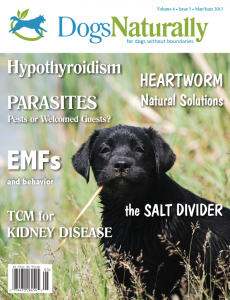
    May2013cover
  • The BEST holistic vets around. Our contributing vets don’t just dabble in holistic medicine, they are pioneers and trail blazers who share their vast knowledge and experience with you.
  • Incredible content. You won't find articles about baking brownies for your dogs or knitting them sweaters in our pages. You will find a valuable resource and knowledge base that you will want to keep for years.
  • Ethical advertising. When we say we're all about natural health care, we mean it. We turn down any advertisers who don't meet our stringent criteria and bring you the companies and products you can trust.
  • A community. Dogs Naturally Magazine is more than a few pieces of paper. We are a community and we are a movement toward better health care for dogs and we would love for you to be a part of it.
Subscribe to Dogs Naturally Magazine today and give your dog the gift of good health!

Digg Delicious StumbleUpon Reddit BlinkList Furl Tumblr Facebook Google Bookmark Google+
Read more...

Small Dog Vaccination Risks  

Posted by — Kim in , , , , , , , , , , , , , , , , , , ,

Here's a great article about vaccinations...hope you find it helpful! –Kim

Vaccinating Small Dogs: Risks Vets Aren't Revealing

Written by Jan Rasmusen
September 30, 2009


At last, a smoking gun ... discovered pointing directly at Chihuahuas, Dachshunds, Maltese, Yorkies and other small dogs ... in fact, pointed at all dogs receiving multiple vaccines during one clinic visit.

Many scientific studies and taskforce reports have altered my view of vaccination over the years, but none have stunned me as much as "Adverse events diagnosed within three days of vaccine administration in dogs" by Drs. Moore, Guptill, Ward, et al. This two-year study of vaccine reactions (from data gathered at 360 Banfield clinics in 2002 and 2003) concluded: "Young adult small-breed neutered dogs that received multiple vaccines per office visit were at greatest risk of a VAAE [Vaccine Associated Adverse Event] within 72 hours after vaccination." And that's not all the report revealed.

In the study (published in JAVMA, the Journal of American Veterinary Medical Association in October, 2005), 1.2 million dogs received almost 3.5 million vaccine doses. Reactions reported within 3 days (as designated by computer codes) included nonspecific vaccine reactions, allergic reactions, urticaria (hives), anaphylaxis (severe, whole-body allergic reaction), cardiac arrest, cardiovascular shock and sudden death. For each 10,000 dogs vaccinating, 38 adverse reactions were reported.

You're probably thinking: just 38 reactions per 10,000 dogs? That's not too bad. But bear in mind that this study did NOT include:
  • Reactions reported more than 72 hours after vaccination (thus eliminating reactions taking longer to develop or be discovered, such as injection site cancers, autoimmune diseases, skin diseases and other major conditions);
  • Reactions that occurred but were never reported by clients;
  • Conditions not recognized by the vet as vaccine reactions;
  • Conditions not selected for this study (seizures weren't on the list, nor were countless other common reactions);
  • Conditions not recorded by the vet. The 2007 World Small Animal Veterinary Association (WSAVA) Vaccine Guidelines reports "gross under-reporting of vaccine-associated adverse events...";
  • Reactions in dogs also getting a heartworm shot, presumably because of the increased risk of reaction (currently, vets are warned not to give Proheart 6 with a vaccination).

The study's researchers (6 of 7 were vets) recommended that veterinarians should communicate the increased risk of multiple vaccines to clients before obtaining their consent to vaccinate. At this writing, a full four years after the study's publication, I suspect few clients have actually been warned about the risk of multiples vaccines at one visit or about special risks to smaller dogs. Were you ever warned?

Factors Increasing the Risk of the Vaccine Adverse Reaction

Body Weight. The reaction rate increased significantly as body weight decreased. That is, small dogs were at greatest risk for a reaction. Risk for dogs weighing 11 pounds or less was four times greater than the risk for dogs weighing 99+ pounds. Medium-sized dogs also had increased risk over larger dogs.

For all vaccines and for the rabies vaccine given alone, the reaction rate for dogs weighing 22.2 to 99 lbs. was approximately half the rate of dogs weighing less than 22.0 lbs. Little dogs had 32+ reactions per 10,000; medium-sized dogs, 15+; large dogs, none.

Neutering/Spaying. Neutered dogs had a 27% to 38% greater risk versus sexually intact dogs.

Age. Dogs 1.5 to 2.5 years of age had a 35% to 64% greater risk of reactions (with rates increasing up to two years and declining thereafter) than puppies 2 to 9 months old. The risk was least for dogs six years of age and older.

Number of vaccines per office visit. The risk significantly increased as the number of vaccines given at each visit increased. In little dogs (under 10 lbs.) each dose increased risks by 27%; in dogs weighing more, each dose increased risk by 12%.

Taking all dogs into consideration, each additional vaccine given at each office visit increased the rate of vaccine reaction by 24.2%. All three dogs in the study with recorded deaths had each received four or more vaccines at their last office visit.

Three or more vaccines given at once increase the risk of a vaccine reaction 50% over the risk of a single shot. Giving five simultaneous vaccines doubles the risk!

Breed. Among breeds with 5,000 or more dogs vaccinated during the study period, the most vaccine reactions per 10,000 dogs were found, in order: in Dachshunds, Pugs, Boston Terriers, Miniature Pinschers and Chihuahuas. Next came Maltese, Miniature Schnausers, Jack Russells, Toy Poodles and Yorkshire Terriers. Mid-size dogs (like Lhasa Apsos, Bichons and Beagles) followed. At the bottom of the list was Chow Chows, German Shepherds and Rottweilers.

Purebred Status. The vaccination reaction rate for mixed-breed dogs was in the bottom fifth of all rates. The researchers state: "safety trials that use such dogs may underestimate the reaction rates that would occur in purebred dogs."

Why Does a Dog's Weight Have Such a Big Impact?

The researchers report: "Vaccines, in contrast to virtually all veterinary pharmaceuticals, are prescribed on a one-dose-fits-all basis, rather than by body weight."

I have always been shocked that a Chihuahua puppy and an adult Great Dane are given the same dose shot: 1 ml. They get the same volume of virus or bacteria plus the same volume of adjuvants (boosting agents like aluminum), preservatives (like mercury), antibiotics, stabilizers and foreign tissue cultures (like fetal calf serum). All these ingredients are known to cause vaccine reactions. (Learn more about vaccine ingredients at the CDC.)

The study's researchers go on to say that during a vaccine's pre-licensing trial, manufacturers investigate the safety of excessive doses of vaccines "but only in a limited number of dogs. The results of this study suggest that trials in dogs that weigh [22 lbs.] underestimate the expected VAAE rate in smaller dogs."

The risk of a vaccine reaction in this study population was inversely related to a dog's weight. This weight/response relationship was also suggested by a study in which toy breeds had significantly more reactions than other dogs, although body weight was not evaluated.

How Do You Avoid Reactions to Vaccines?

The study detailed here reports the problems, but not the remedy. They only recommend that veterinarians advise clients of the risks.

Regrettably, I have been unable to find you a link to the study on-line. Your vet may have on-line access if he/she subscribes to JAVMA (J Am Vet Med Assoc. 2005 Oct 1;227(7):1102-8). You can read a short summary or have your non-subscribing vet request the article for a small fee at http://www.ncbi.nlm.nih.gov/pubmed/16220670 or http://avmajournals.avma.org/doi/abs/10.2460/javma.2005.227.1102?journalCode=javma.

Note: A smaller study for cats entitled "Adverse events after vaccine administration in cats" turned up similar results to the dog study.

If your vet gives multiple shots in a visit, you should insist that he/she read this study. If your vet has already read it, he/she should explain to you why you weren't informed of the risks to your dog of multiple shots, especially if your dog was small or medium sized.

Please sign up for notification of future articles and our free dog care e-newsletter (delivered quarterly). Follow K9Author at Twitter.

This is an important study. Please bookmark this article and send it to friends.

Related articles:
Visit our new Web site just on vaccination: www.truth4pets.org.

Watch our new video on pet vaccine reactions:


Jan Rasmusen, national award-winning author of Scared Poopless: The Straight Scoop on Dog Care and consumer advocate for dog lovers. She organized The Safer Pet Vaccination Benefit Seminar featuring world-renowned experts Jean Dodds, DVM and Ron Schultz, PhD, and has her articles republished in DogsNaturallyMagazine and on Web sites throughout the world.

Source: Dogs 4 Dogs


Also, see:

Digg Delicious StumbleUpon Reddit BlinkList Furl Tumblr Facebook Google Bookmark Google+
Read more...

List of No-kill Shelters and Rescues

List of No-kill Shelters and Rescues: 
NATIONAL SEARCH
Find local shelters near you! LOCAL SEARCH
You can adopt or foster from any of these shelters or donate to support their efforts. Be sure to confirm that they are a "no-kill" shelter. Then, be a part of the solution!

<< – Newer Posts / Older Posts – >>
CLICK HERE FIRST; THEN CLICK THE PAGE LINK BELOW.